About PLZHub
Who runs the project, why it exists, and how to reach us when something should be corrected.
Explore taxes, demographics, elevation and more for every Swiss postcode. Data-driven insights from official sources.
Sources: swisstopo · ESTV · BFS — v1.0.0
Aggregate statistics calculated from our comprehensive postcode database.
Total Population
9'051'029
across all postcodes
Avg. Tax Rate
10.3%
single, CHF 80'000
Highest Postcode
2'420 m
Pedrinate
Low-Tax Areas
40.9%
of all postcodes
A lightweight canton map with one color per canton. Use it to jump directly to each canton overview without loading thousands of postcode markers.
Each canton is linked directly to its overview page with taxes, demographics, and postcode coverage.
Jump into a canton overview with taxes, demographics and every postcode.
Browse all Swiss cantons with their postcode counts.
Municipality pages connect related PLZ pages before the user drops into a single postcode. They are the strongest internal paths for split postcodes, tax comparison and address-share context.
Zurich
Ticino
Bern
Neuchâtel
Ticino
St. Gallen
Neuchâtel
Glarus
Vaud
Geneva
Graubünden
Bern
One standout postcode per canton — great starting points for exploration.
Average effective tax rate for a single person with CHF 80'000 income, across all 26 cantons.
7.8%
spread
Effective rate (single, CHF 80'000)
Curated rankings from our dataset — click any entry to dive deeper.
Effective tax rate for single person, CHF 80'000 income.
Highest percentage of foreign nationals.
Highest average elevation above sea level.
Most residents per postcode (estimated).
Highest postcode by elevation
Pedrinate (6832)
2'420 m
Lowest tax rate in Switzerland
Chêne-Bougeries (GE)
6.9%
Most international postcode
Täsch (VS)
68.2% foreign
Most populated postcode
Grand-Lancy (1212)
34'566
National demographic snapshot aggregated from postcode-level BFS population data.
Population
9'051'029
Households
4'310'017
Avg. Household Size
2.1 persons
Foreign nationals
28.1%
Switzerland's unique multilingual heritage reflected in population distribution.
German
66.7%
French
23%
Italian
8.3%
Romansh
0.5%
How Swiss postcodes are distributed across elevation bands — from the lowlands to the high Alps.
Average Elevation
532 m
Median Elevation
400 m
0 – 500 m
86.3% of total
500 – 1,000 m
3.7% of total
1,000 – 1,500 m
5.0% of total
1,500 – 2,000 m
3.7% of total
2,000+ m
1.3% of total
PLZHub is meant to be useful before it is monetized. These pages explain who runs the site, how the data pipeline works, and how we review location pages before we publish or update them.
Who runs the project, why it exists, and how to reach us when something should be corrected.
How we combine ESTV, BFS, swisstopo, OSM, and geo.admin.ch data into each postcode page.
What is generated, what is manually reviewed, and how we handle corrections, removals, and sponsored inventory.
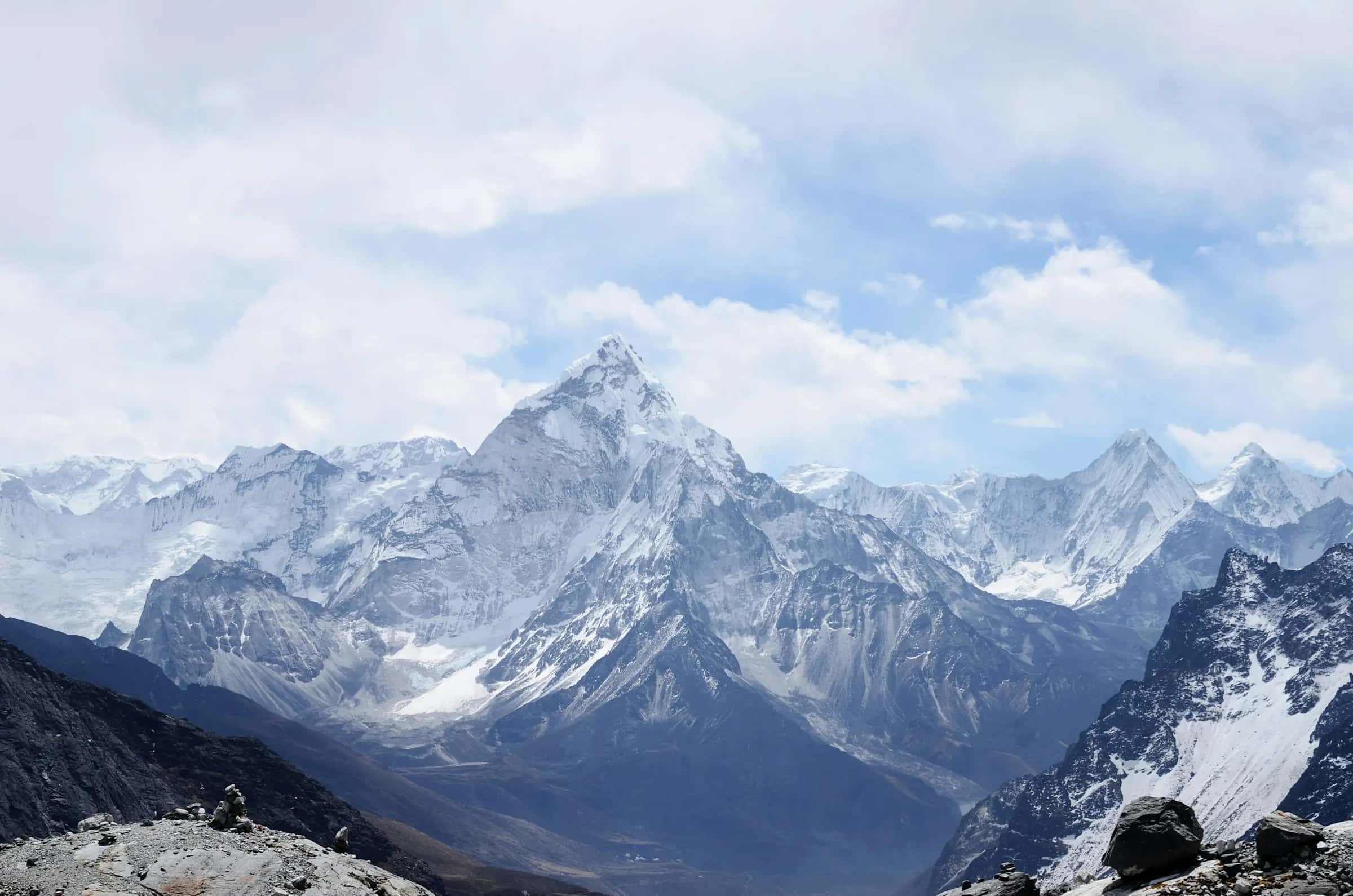
A ranking-first view of the most tax-friendly municipalities in Fribourg, with the current top five, the first real tie in the field, and the canton spread that matters in practice.
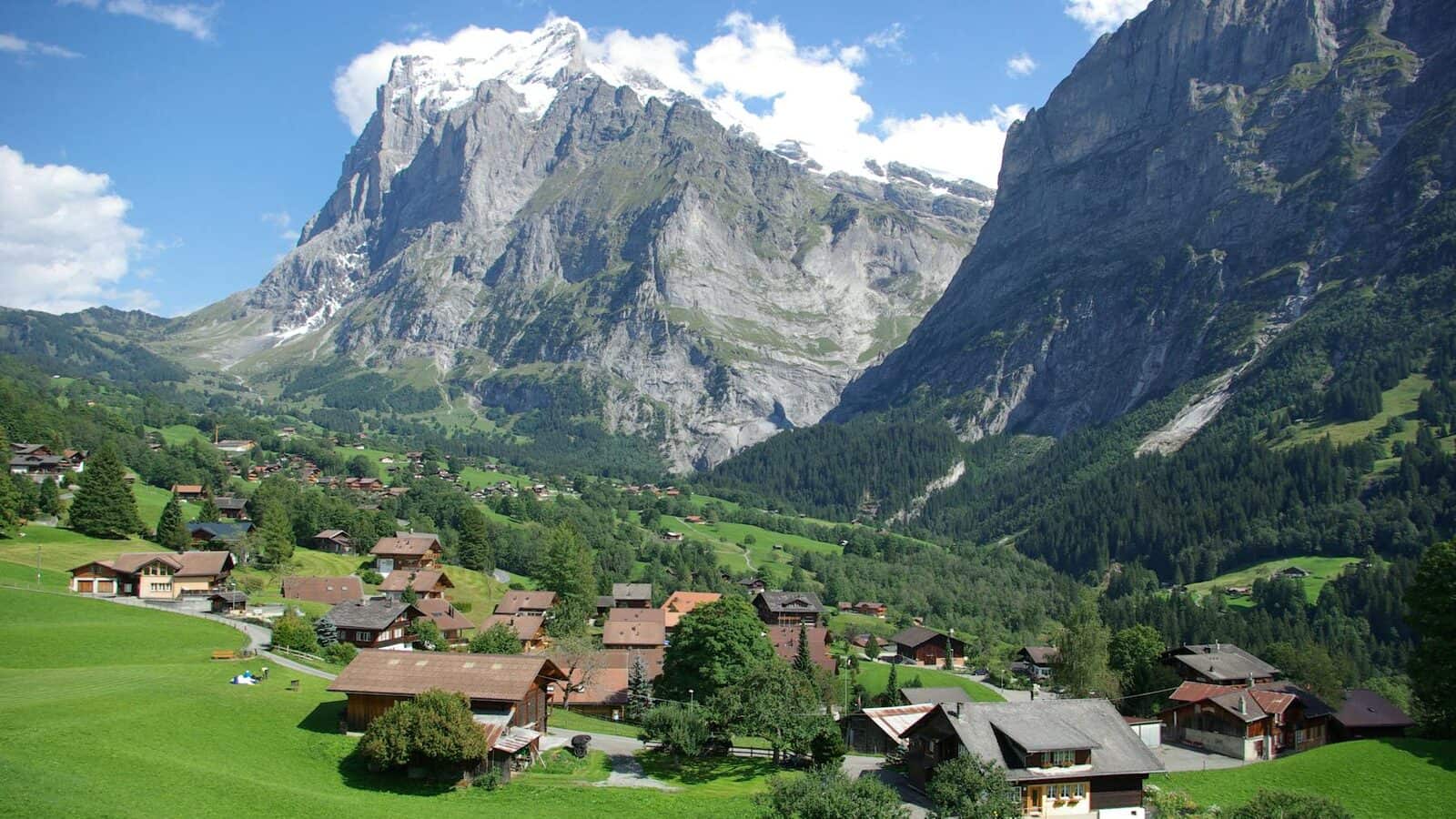
A practical Nidwalden ranking with the municipalities that currently look best in PLZHub tax scenarios, plus a plain explanation of what the small gaps inside the canton mean.
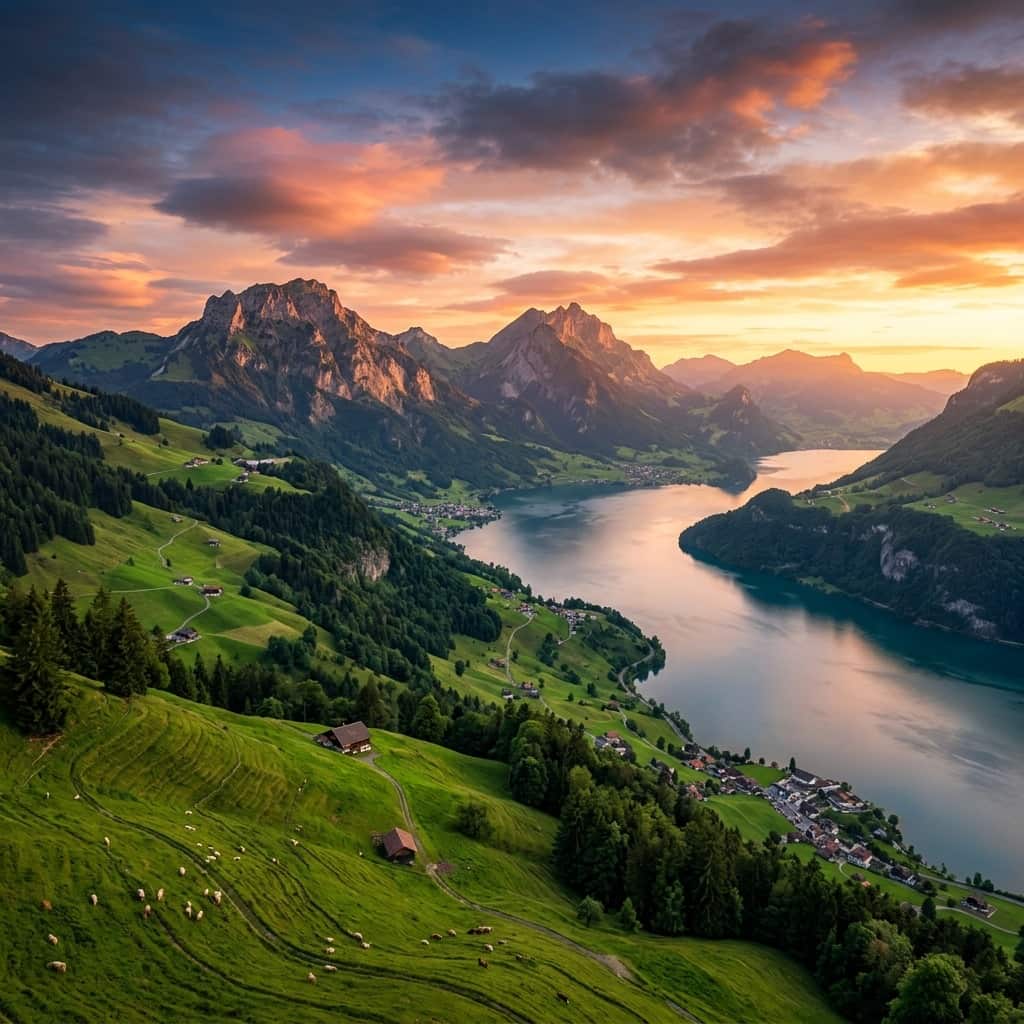
Lausanne is the baseline, but Prilly, Renens, and the west-side commuter belt often tell a more interesting tax story.
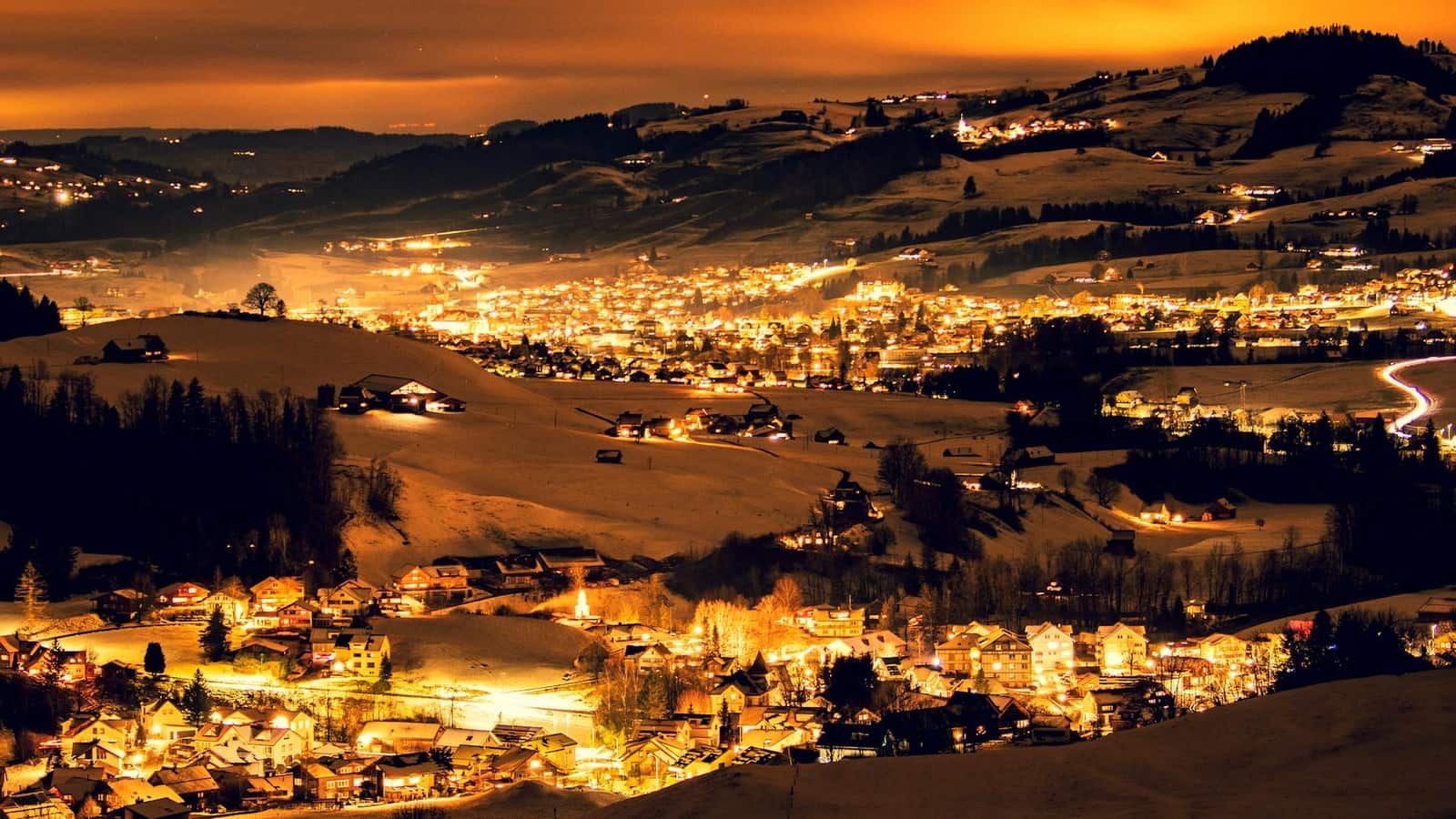
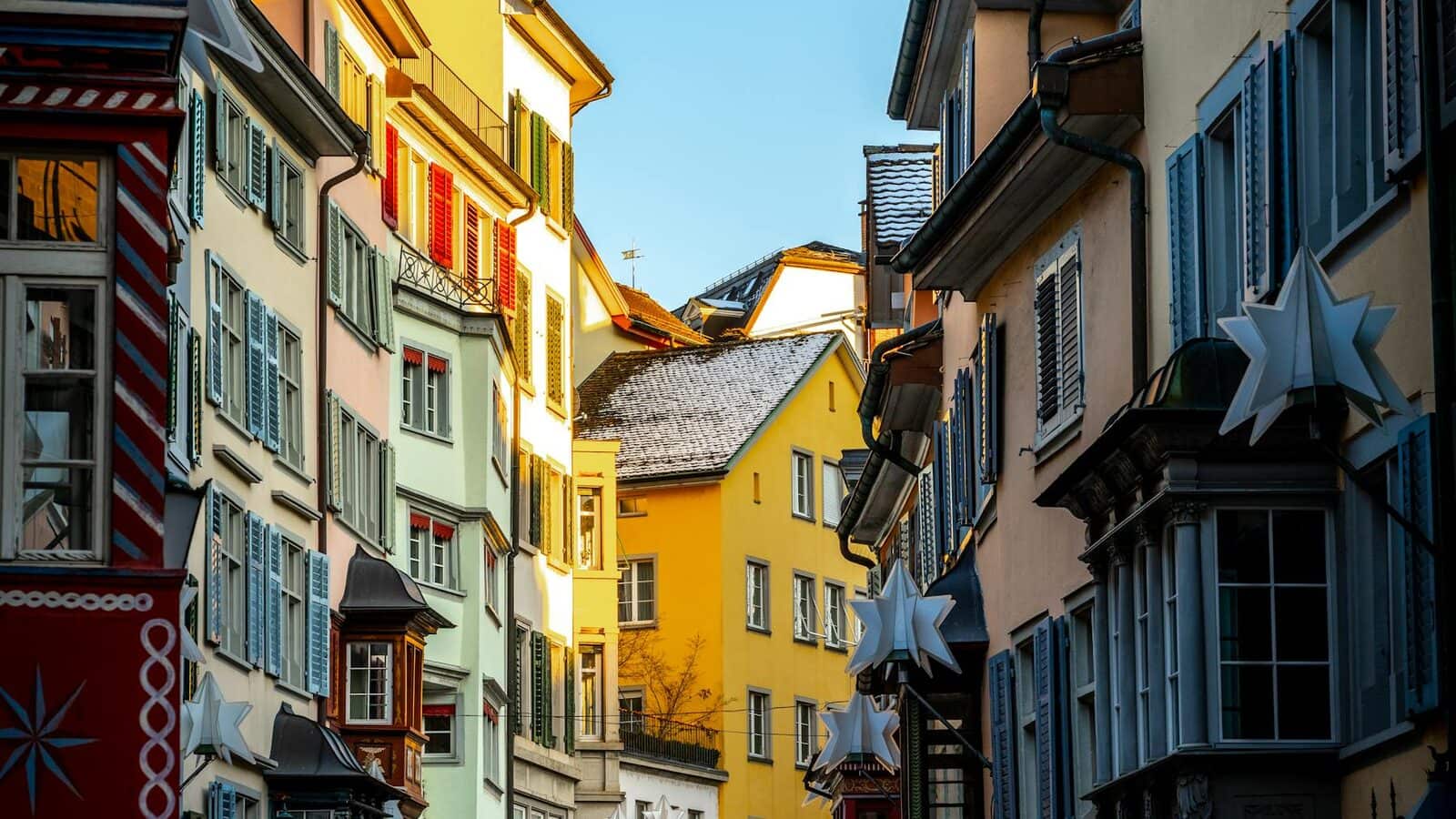
A clear look at the tax landscape in Appenzell Innerrhoden. We show you the top five municipalities and explain why the differences between them barely matter.
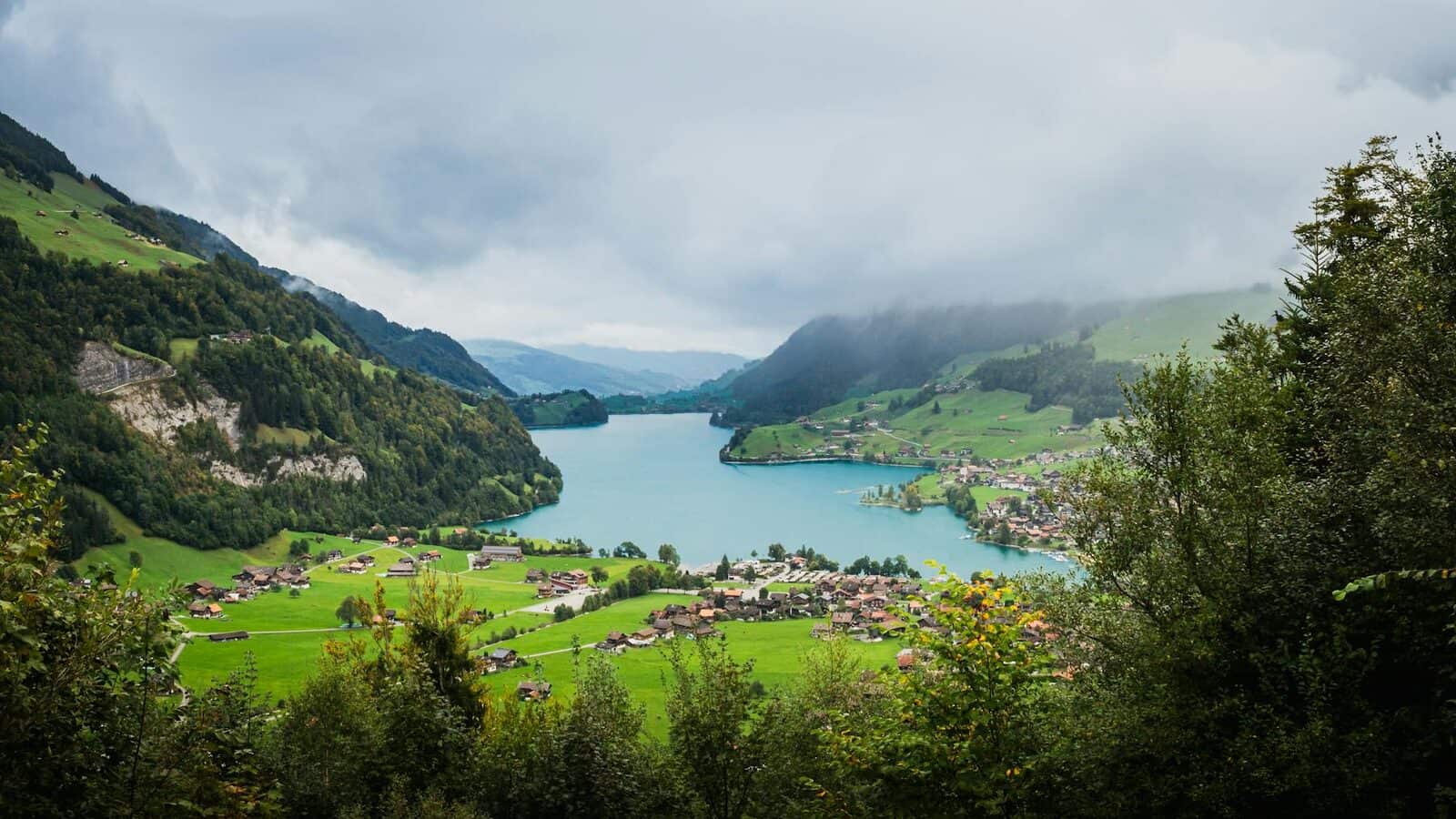
Looking to save on taxes in Appenzell Ausserrhoden? We break down the top five cheapest municipalities. It's a tight race, and you might find that rent and commute times matter more than the tax rate itself.
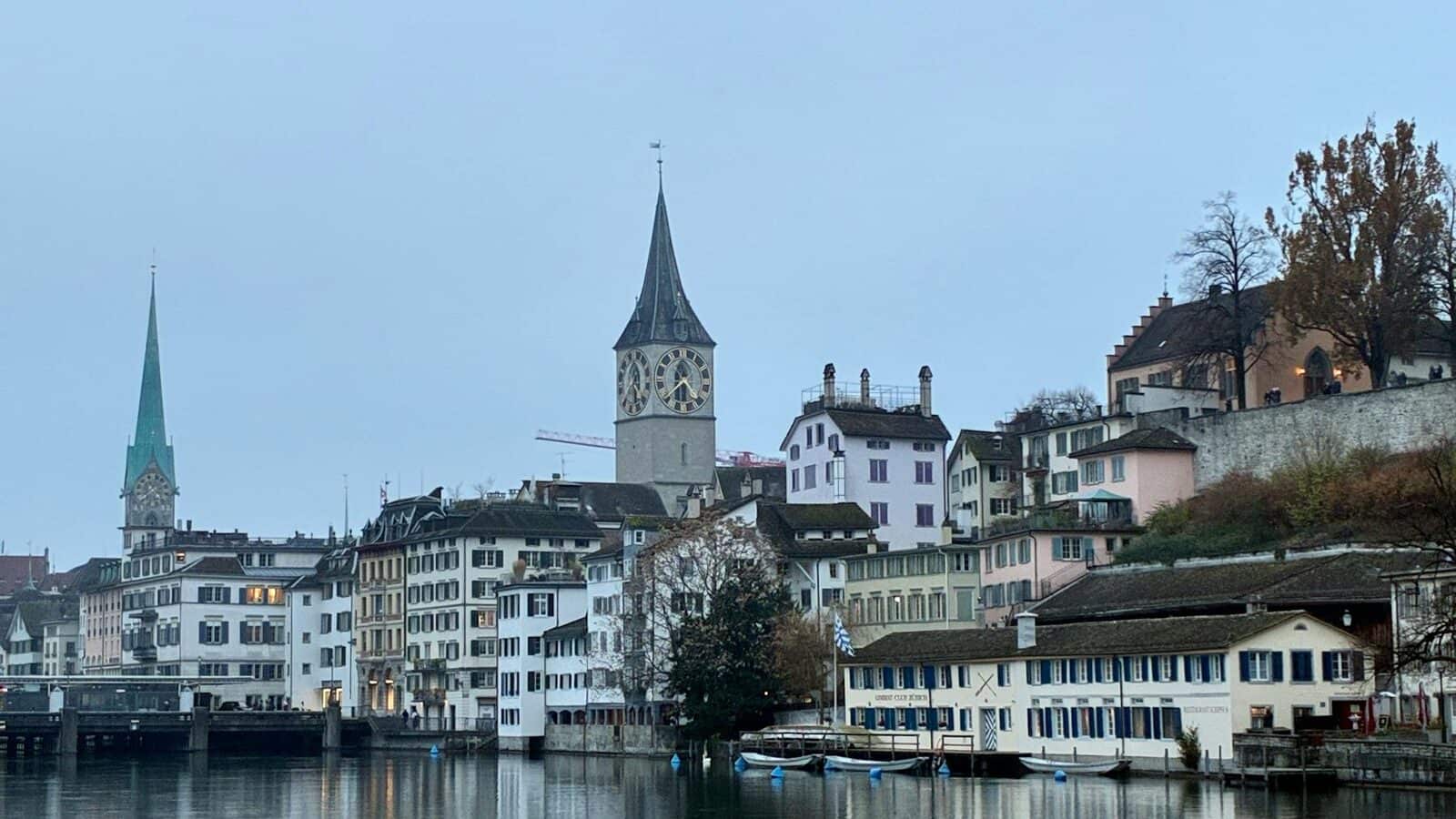
We frame the tax comparison around Sion by looking at the city, the valley floor, and the hillside communes.