A stack of different maps
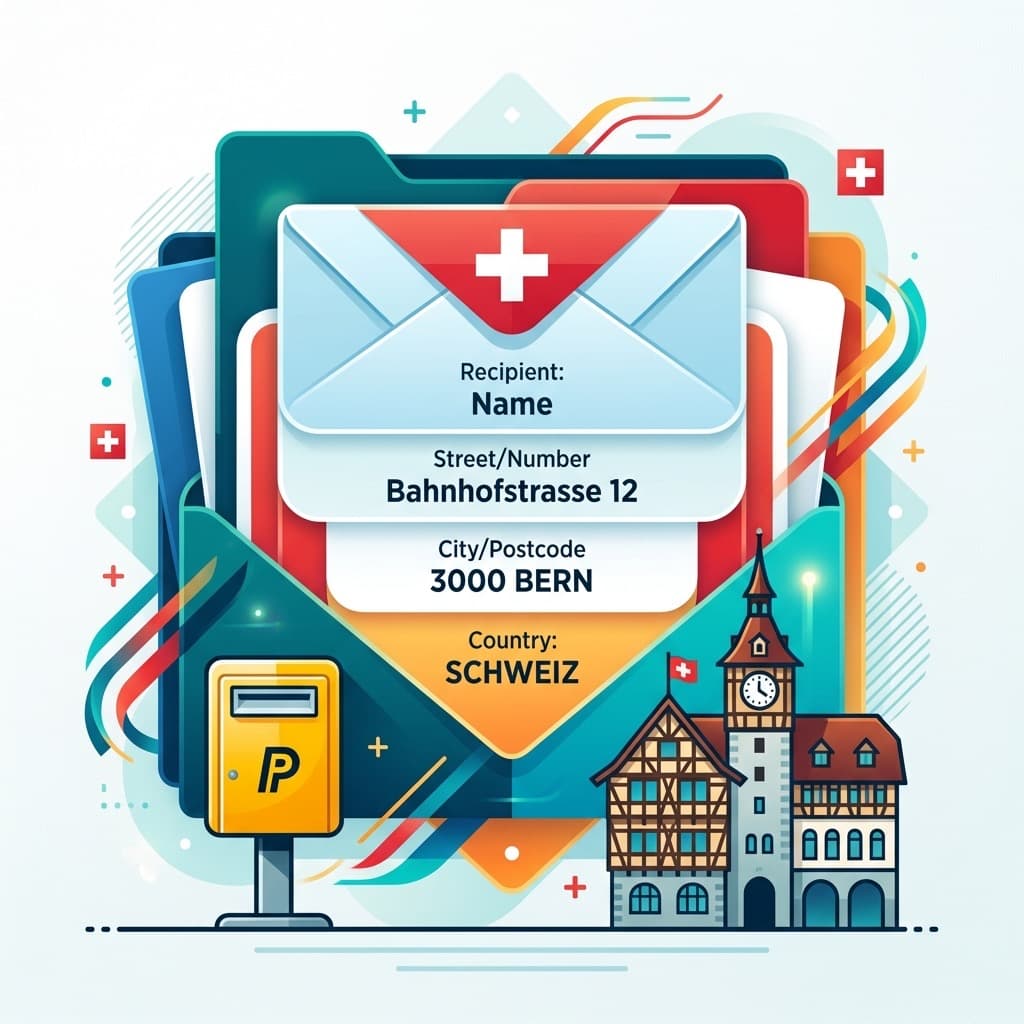
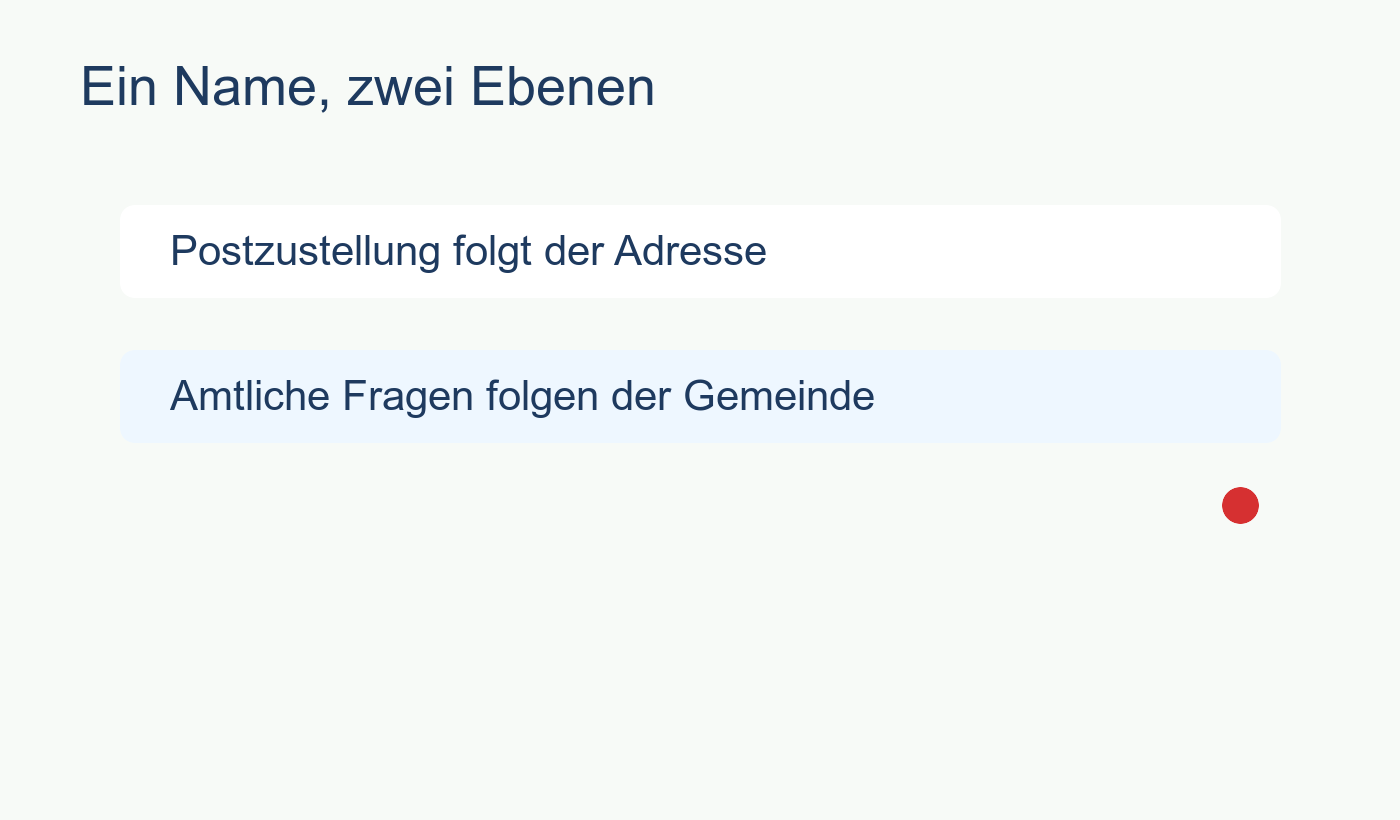
Swiss addresses are essentially a stack of three distinct layers: the street (which points to the exact building), the postal locality (the name the post office uses for routing), and the municipality (the administrative and tax unit).
These layers do not always align.
1700 Fribourg is a classic example. The postal name looks straightforward, but if you look at the municipality layer, the 1700 postcode spills over into neighboring Tafers and Düdingen.
6052 Hergiswil NW looks even cleaner, but a tiny 0.199% of its area belongs to the municipality of Horw.
Then there is 1008 Prilly, where the postcode is openly split 50/50 between two different municipalities: Prilly and Jouxtens-Mézery.
When an address seems inconsistent - like a street being in one town but having the postcode of another - it is usually because the postal routing and the political borders have simply diverged.
How to untangle the mess
On PLZHub, the most useful fields for untangling this are localities, municipalities, and swisstopo locality structure.
These fields tell you whether you are looking at a simple postal name, a clean municipal boundary, or a messy overlap. That context is much more helpful than trying to force everything into a single, simplistic label.
Fribourg is helpful because it looks simple but isn't. Hergiswil NW is helpful because it's almost simple. Prilly is helpful because it openly admits to being split. Together, they explain the confusion of Swiss addresses better than any generic rule ever could.
Which layer matters?
When you look at a postcode page, don't just grab the name. Check which layer is doing the work.
If the locality and the municipality match perfectly, the address is straightforward. If they diverge slightly, like in Hergiswil NW, pay attention to the boundaries. If they split cleanly down the middle, like in Prilly, you can't rely on the postcode alone to tell you where you live politically.
PLZHub shows you exactly what kind of mismatch you are dealing with. It prepares you for the reality of the address. But once you need to sign a lease, register to vote, or file your taxes, always confirm the final municipality with official government sources.