What this check accomplishes
A postcode looks like a simple, single answer. But it can easily point to two entirely different things: the name the post office uses (the locality) and the administration you pay taxes to (the municipality). When you are planning a move, the only practical question is whether those two layers line up cleanly, or if the address requires a much closer look.
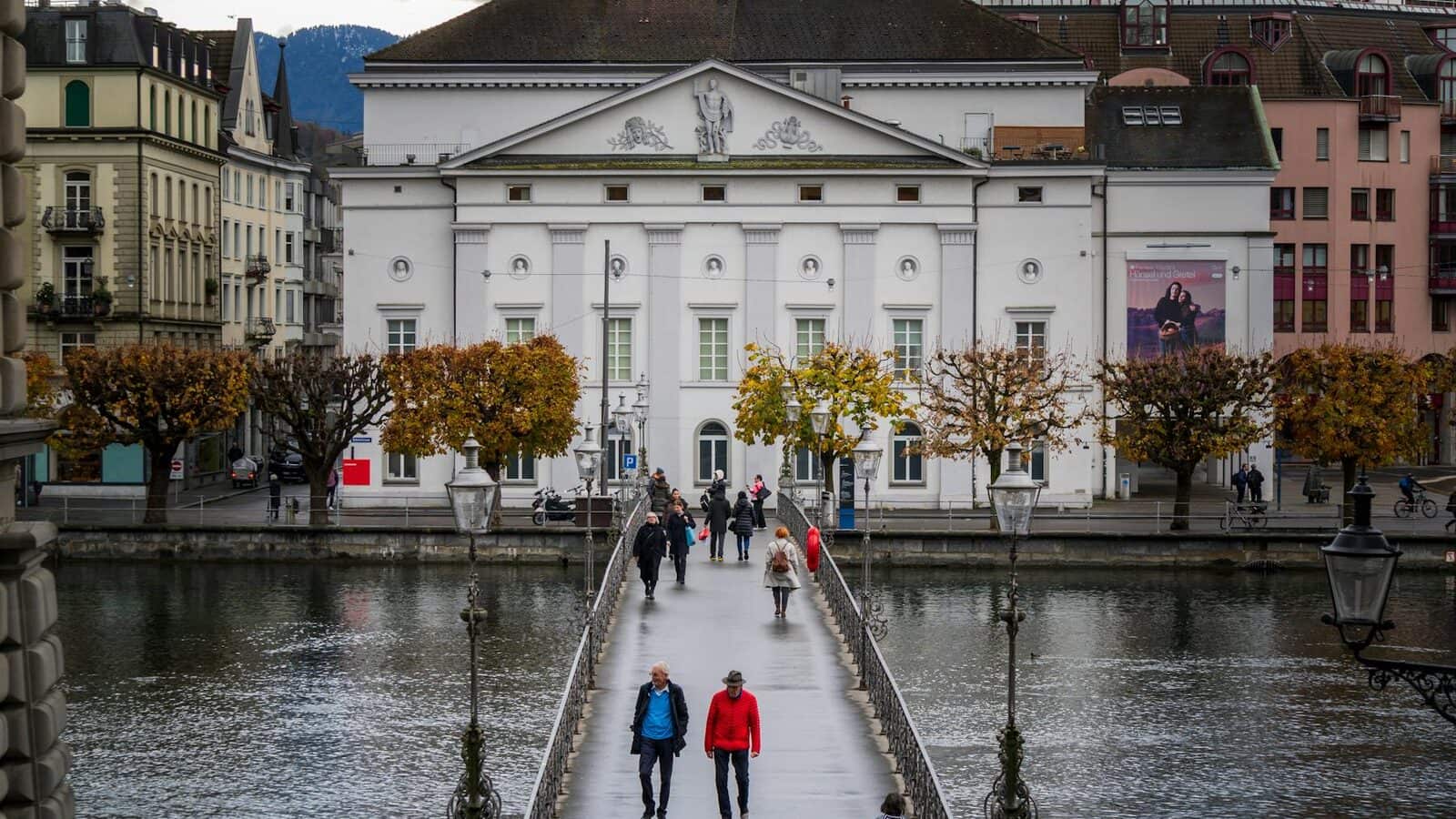
You can see the contrast perfectly by looking at four examples. 8001 Zurich is the clean dream: one locality, one municipality, zero ambiguity.
Then you get a case like 6052 Hergiswil NW. It looks perfectly clean on an envelope, but the municipality layer reveals a tiny 0.199% sliver that belongs to Horw.
1700 Fribourg takes it further. It looks like a single, solid city label, but the postcode footprint quietly spills over into Tafers and Düdingen.
And finally, you have 1008 Prilly, which doesn't even try to hide the split. Both its locality and municipality layers are cut straight down the middle, exactly 50/50 between Prilly and Jouxtens-Mézery.
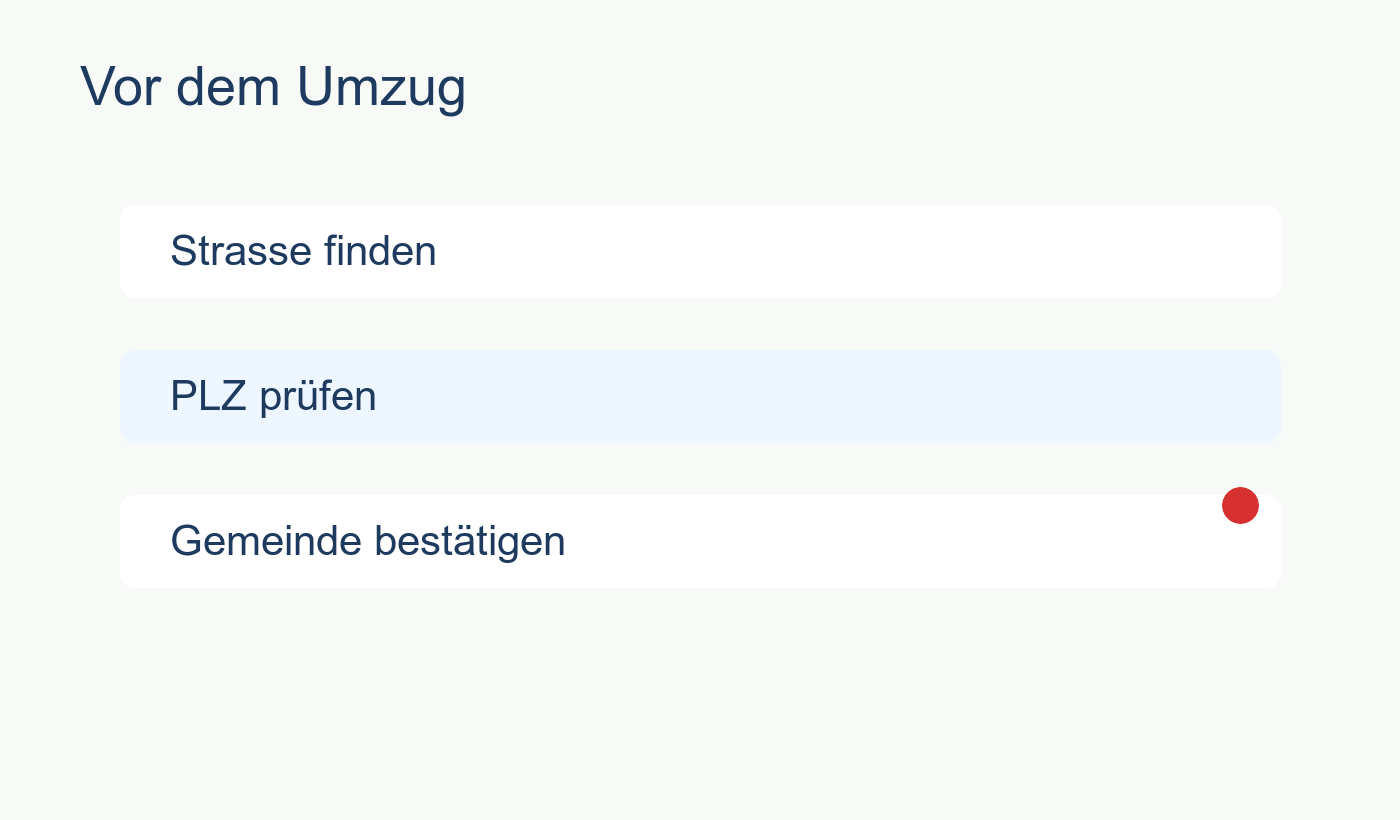
The signals you should read first
When you do your first pass on an address, you only need to check the localities, municipalities, and the search index. These three layers instantly tell you if you are dealing with a clean one-to-one match, a mostly clean setup with a tiny spillover, or a fundamentally mixed postcode that you can never trust on its face.
This matters most when the name on the address line sounds a lot more confident than the underlying data is. 1700 Fribourg is the perfect trap: the postal name feels incredibly singular, but the municipal reality is not. 1008 Prilly is even more obvious; the data tells you immediately that the postcode alone is practically useless for administrative decisions.
When the official source takes over
The moment an address is going to trigger an actual signed lease or a moving truck, your first read is no longer enough. By that point, the postcode page has already done the heavy lifting: it warned you whether the address was straightforward like 8001 Zurich, slightly blurry like 6052 Hergiswil NW, or fully tangled like 1700 Fribourg and 1008 Prilly.
You use the official municipal register to make the final, binding confirmation. You shouldn't be using it to try to map out the general structure from scratch.