The trap of the four digits
It is the most common mistake people make when researching a move in Switzerland: they look up a postcode, see a tax rate, and assume every house in that postcode pays the same amount.
They don't. Postcodes and municipalities are not the same thing.
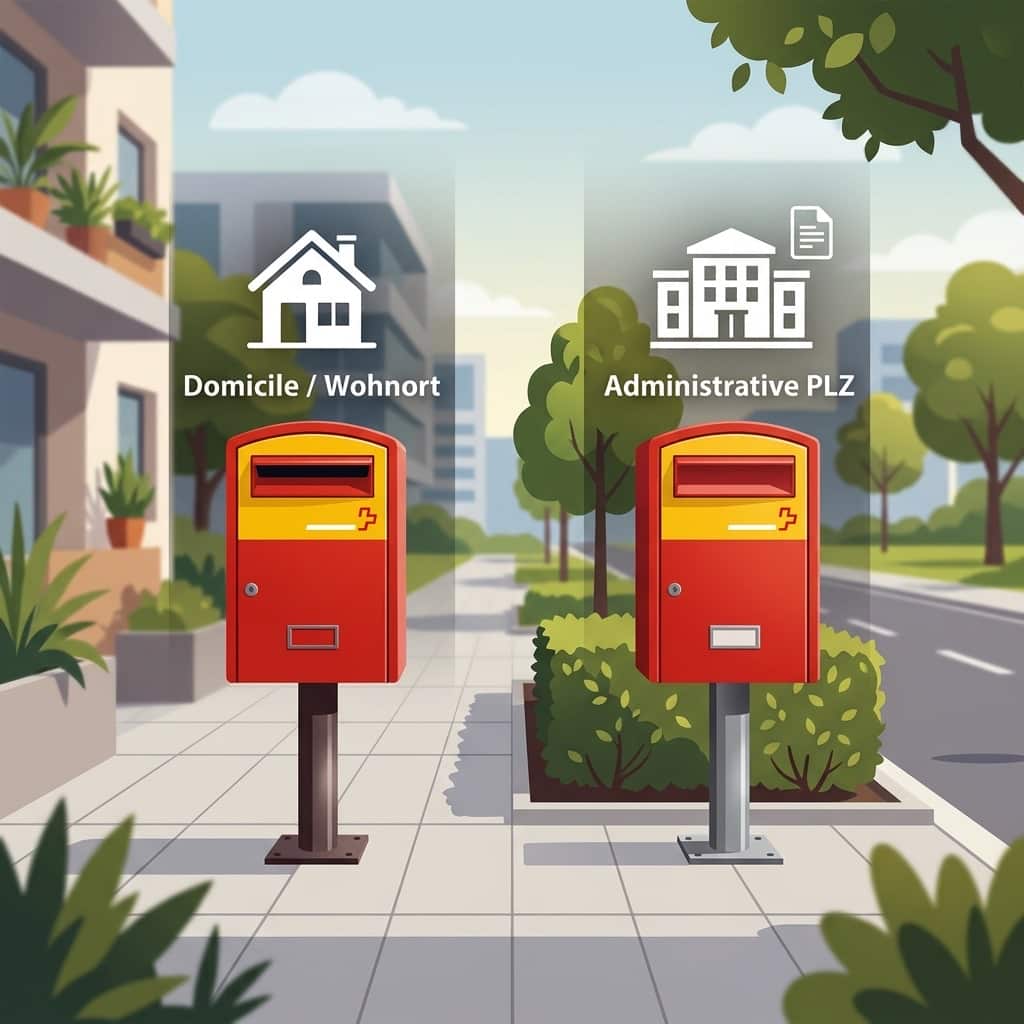
A postcode is a logistical tool created to help the post office sort mail. A municipality is a political entity that sets budgets, runs schools, and collects taxes.
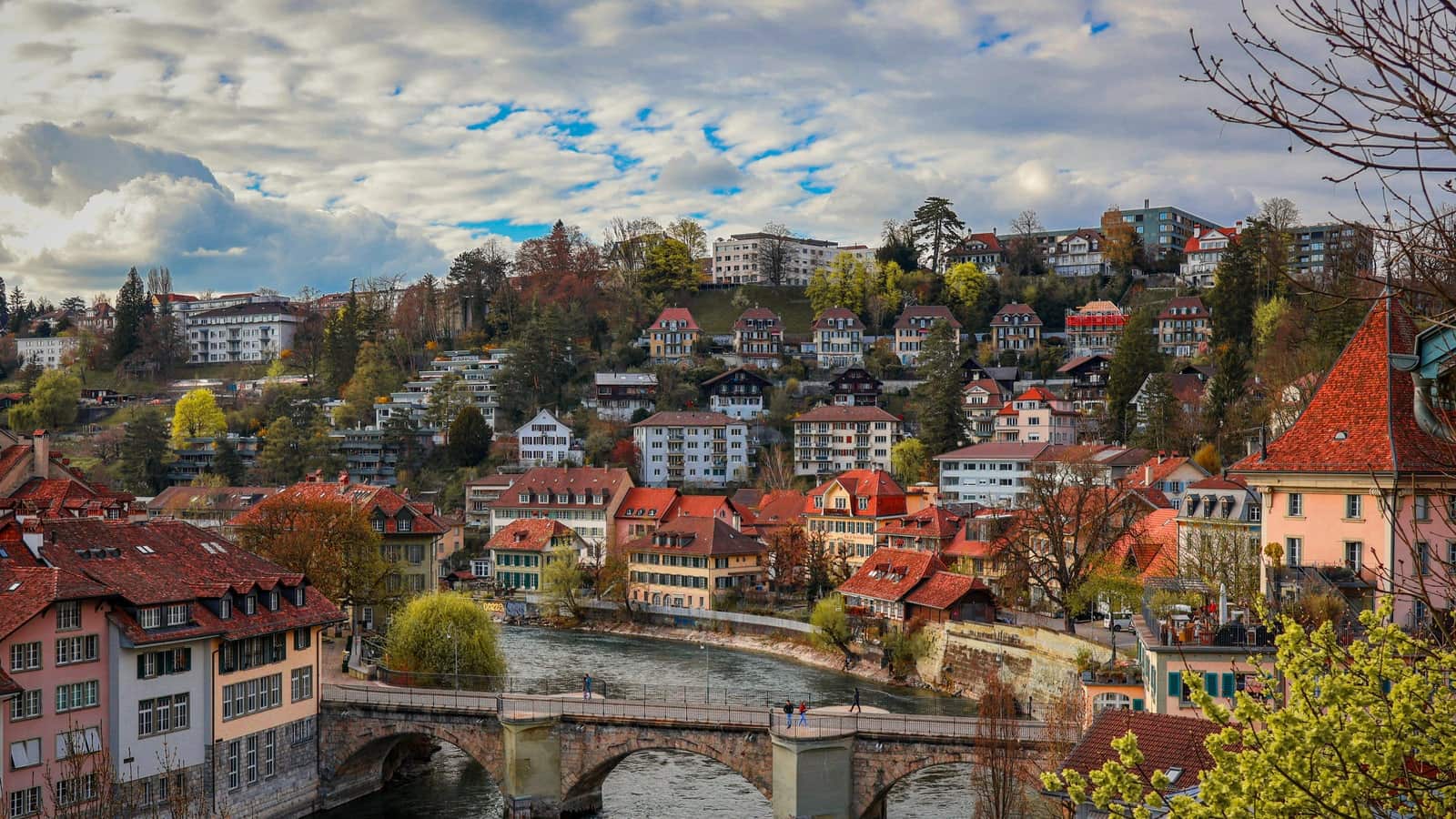
Look at 3004 Bern. This is what people think the whole country looks like: one postcode sitting neatly inside one municipality. If you live here, your postal identity and your political identity are exactly the same.

When the postman crosses the border
Then you look at 1008 Prilly. This postcode covers two completely different municipalities. Your address says "1008 Prilly", but depending on which side of the street your front door is on, you might be paying taxes to the municipality of Prilly, or you might be paying taxes to Jouxtens-Mézery.
If you use the postcode to estimate your taxes, you are basically flipping a coin.
On PLZHub, we expose this clash using the municipalities.weightedSharePct signal. It tells you immediately if the postal border and the political border have diverged. If you see multiple municipalities listed, you know you cannot trust a blanket assumption about the area.

Start with the post, finish with the politicians
The rule is simple: use the postcode to find the place, use the municipality to evaluate the cost.
When you are narrowing down neighborhoods, postcodes are the best tool. They correspond to the maps you look at and the addresses on apartment listings. But the moment you start comparing tax burdens, looking at demographic statistics, or asking about the local school system, you must switch your brain to the municipal layer.
Find the area with the postcode. Verify the math with the municipality. And when you are finally ready to sign a contract, put the exact street address into the official cantonal calculator.