Why city and agglomeration tell two different stories
When you compare a city postcode to one in the agglomeration, you aren't just comparing commute times. You are comparing entirely different daily routines.
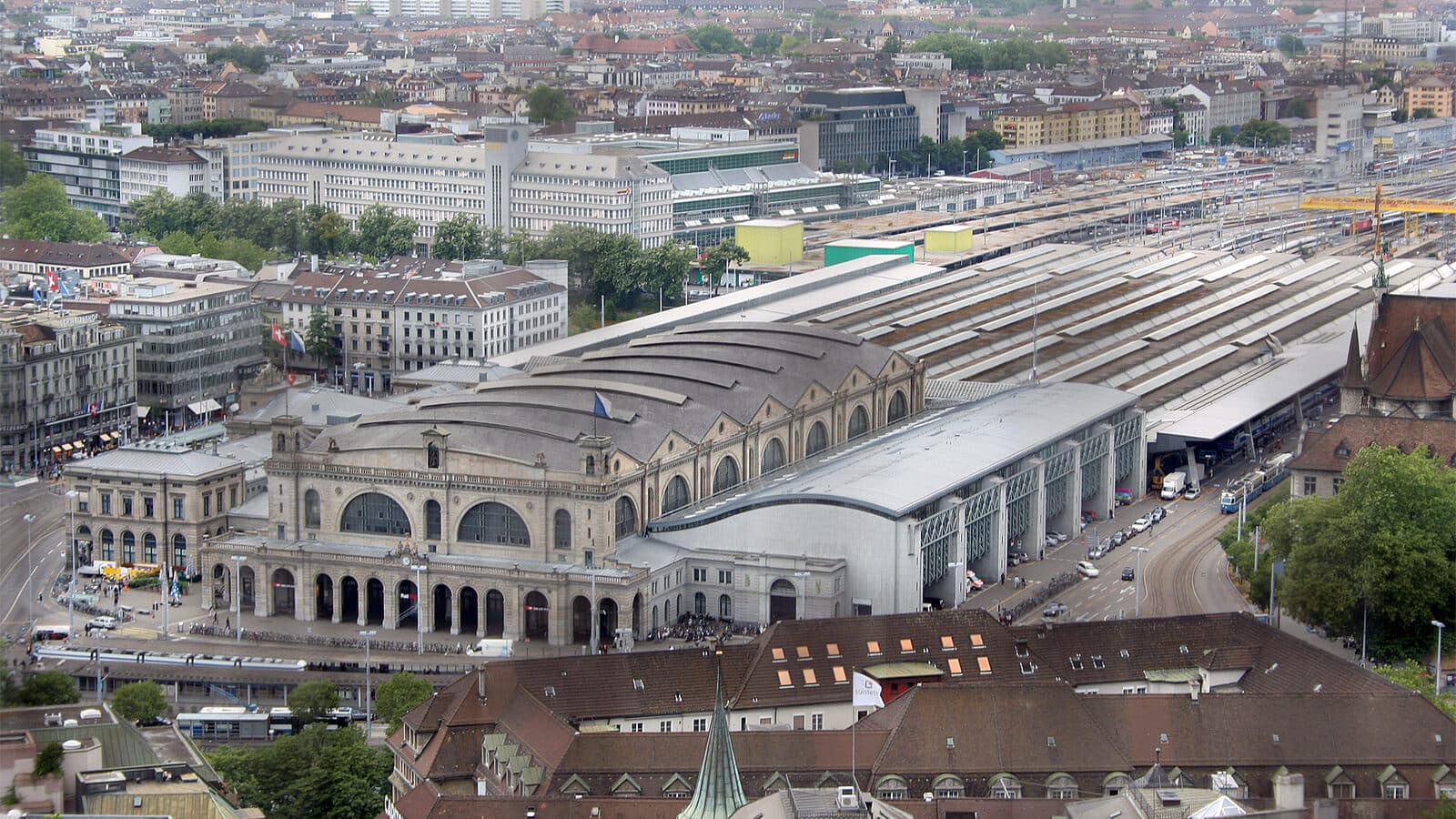
Take 1201 Geneva. This is the classic urban node: 22,401 residents, 10,667 households, sitting 100% inside the core city, with a single-person tax rate of 7.0%. Everything is close, the transit network is incredibly dense, but the living space is tight.
Now look at 1260 Nyon. It has a similar headcount with 23,616 residents, and it's mostly a clean municipal match at 99.6% Nyon. But the single-person tax rate jumps to 11.0%, and the commute requires a regional train ride into Geneva. Both places work perfectly well for commuters, but they answer very different lifestyle questions.
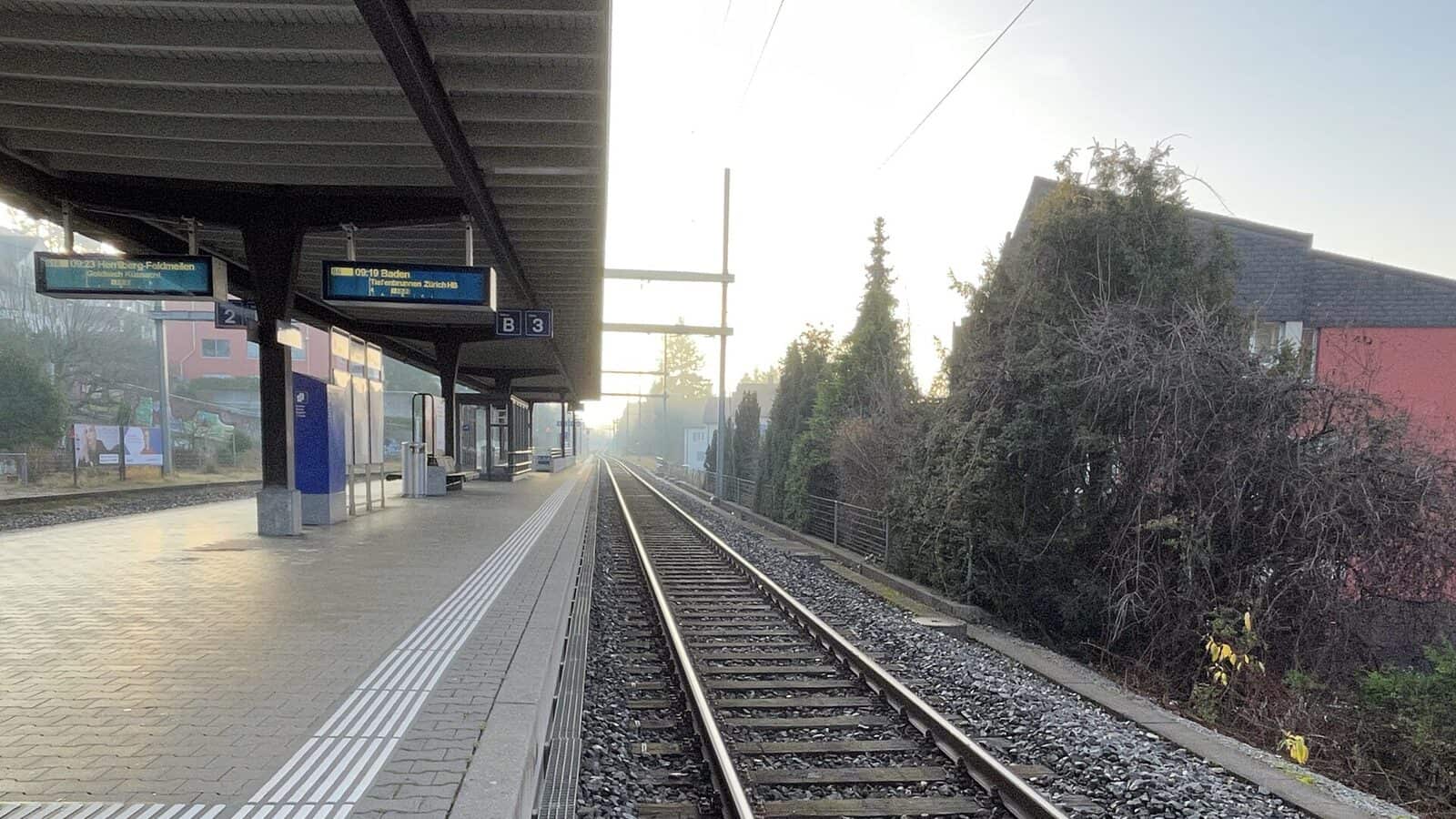
In the city, your main priority is usually finding a place within walking distance of the main rail or tram lines. In the agglomeration, the priority shifts: you are trying to figure out if the walk to the local station, the train ride, and the final transfer are smooth enough to justify having a bit more space or a quieter neighborhood.

What breaks a commute
You have to look at the route shape and the financial reality at the same time. 8001 Zurich sits in a tight cluster of central postcodes. 3052 Zollikofen sits on the suburban fringe of Bern.
Zurich's core tax rate for a single person is 10.1%. Zollikofen's rate is 11.3%. This breaks the common assumption that moving to the agglomeration automatically saves you money. Once you factor in the cost of a regional transit pass, the suburban option might be more expensive.
This is why looking at demographics.population, nearbyPlz, and tax.scenarios tells you so much more than relying on the tired "city versus suburb" stereotype. These signals reveal whether a postcode functions as a hyper-dense urban base, a well-connected commuter ring, or something stuck awkwardly in between.

When the comparison helps
A city postcode makes the most sense when your absolute priority is a short, robust commute with zero reliance on bus schedules. An agglomeration postcode wins when the local train station is highly accessible, the transfer into the city is seamless, and the broader neighborhood offers a quality of life you simply can't find downtown.
The goal isn't to prove that the city is always better or that the agglomeration is always a better deal. The goal is to figure out if the extra distance you travel every day buys you something that matters to you.
When to switch back to official sources
PLZHub is fantastic for framing your choices and narrowing down a shortlist of postcodes. But once you are deciding between two specific apartments and plotting your morning alarm, our data isn't enough anymore. You need to pull up the official SBB timetable, check the cantonal tax calculator, and run the real numbers.