If you're missing rent data for a municipality, you can still get a clear picture of what kind of place it is. You just need to use demographic fields for the questions they answer.
1212 Grand-Lancy has 34,589 residents and 16,471 households. 2363 Les Enfers has 148 residents and 71 households. These numbers don't tell you the rent, but they tell you immediately that you're comparing a large suburban municipality with a tiny rural settlement.
That's the real value of demographic data when pricing is missing. It helps you separate settlement type, household scale, age profile, and estimate quality before you waste time looking up prices for places that aren't even comparable.

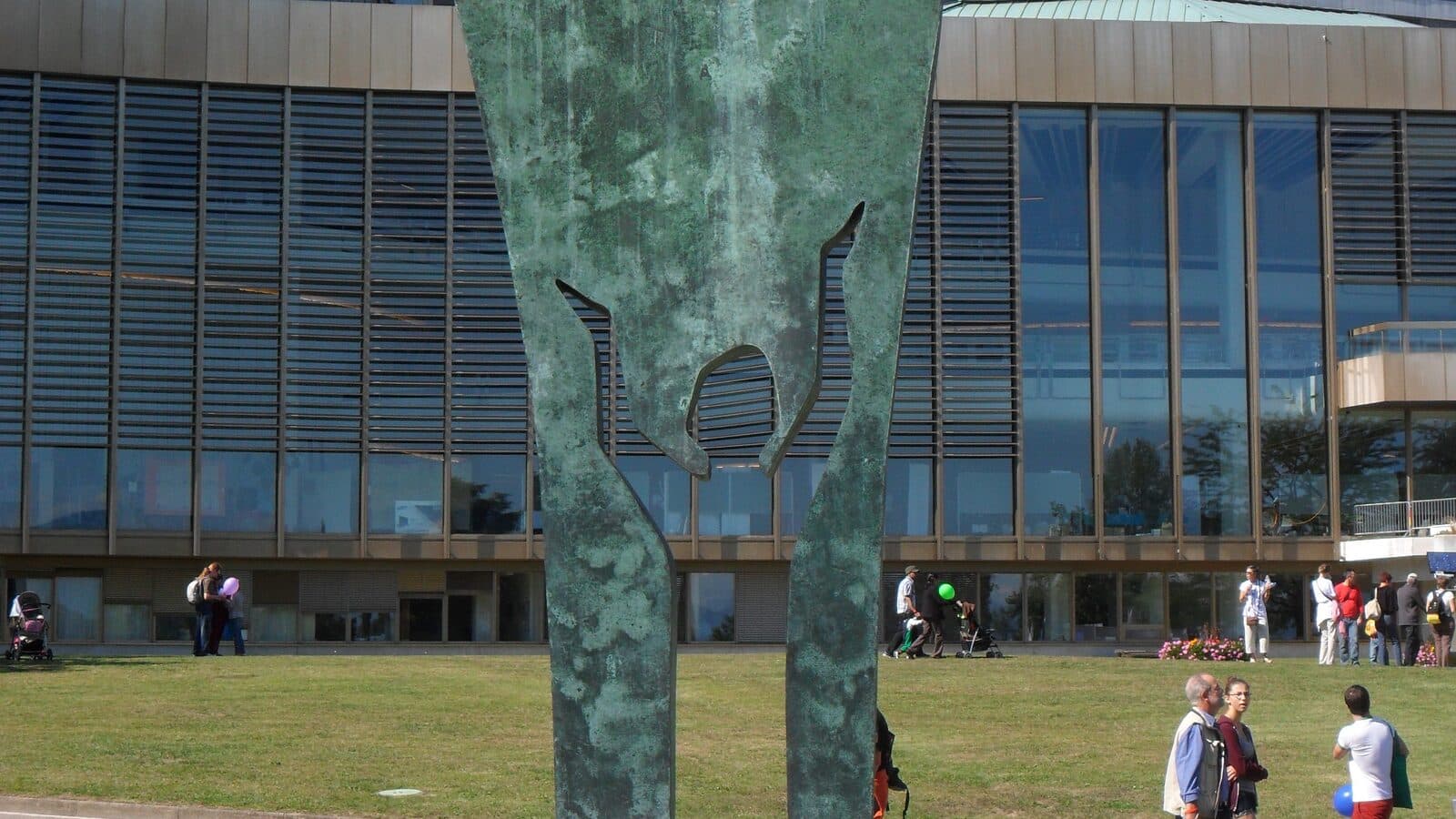
Family_by_Edwina_Sandys.JPG.Population and households
Population is your first filter because it shows the urban structure. 1212 Grand-Lancy is a full-scale suburban postcode in the Geneva area. 1009 Pully is smaller at 9,873 residents and 4,702 households, but it's still clearly urban-residential. 2363 Les Enfers isn't in the same category.
Household count is the second filter. It shows whether the place supports thousands of separate dwellings or just a few dozen. This separates large residential stock from small-village stock long before you check a listing site.
Average household size
Average household size is a weak signal. 2363 Les Enfers sits at 2.08, while 6684 Campo (Vallemaggia) sits at 2.2. That difference is too small to make a decision on its own. It only helps when the larger structural questions already point in the same direction.

Swiss and foreign born population pyramid of Switzerland in 2021.svg.Age structure
ageDistribution is often the most useful field after scale. In 1022 Chavannes-près-Renens, 41% of residents are aged 20-39 and only 10% are 65+. In 1009 Pully, 24% are aged 20-39 and 21% are 65+. These aren't interchangeable places, even before you look at rent.
This won't tell you whether schools are better or apartments are cheaper. It tells you the municipalities will feel different in daily life, which is exactly the kind of question PLZHub can answer well.
Foreign-national share and estimate flags
foreignNationalPct provides context, especially in places shaped by tourism, border labour, or international employment. 3929 Täsch has 68.2% foreign nationals, while 2363 Les Enfers has 5.1%. This isn't a ranking. It just shows they sit in completely different social and economic settings.
The estimate flag also matters. 1212 Grand-Lancy is estimate-based in this snapshot because the postcode spreads beyond one municipality. 1224 Chêne-Bougeries is not. If two places look close on demographics, that difference in certainty should stop you from treating a small gap as decisive.
The limits of demographic data
Demographics do not replace rent data, vacancy rates, or actual housing stock numbers. Use them to answer an earlier question: is this even the right kind of municipality for your household? If no, you don't need a rent comparison. If yes, then comparing prices is worth the effort.