Which category is easier to compare
Medium-sized centres usually provide a cleaner comparison. A postcode like 1700 Fribourg or 4600 Olten covers a large share of the city's everyday reality. A big-city postcode like 8001 Zurich or 1201 Geneve might cover just one district, a central commercial zone, or a single slice of a much larger city.
A medium-sized centre postcode feels more coherent. The city itself might be smaller, but the postcode aligns more closely with the whole place.

The numbers in context
1700 Fribourg has 19,587 residents and an 8.6% single-80k rate. 4600 Olten has 19,047 residents and 10.5%. 1260 Nyon is larger with 23,616 residents and 11.0%. These aren't tiny towns, but they still read like distinct regional centres rather than fragments of a sprawling metropolis.
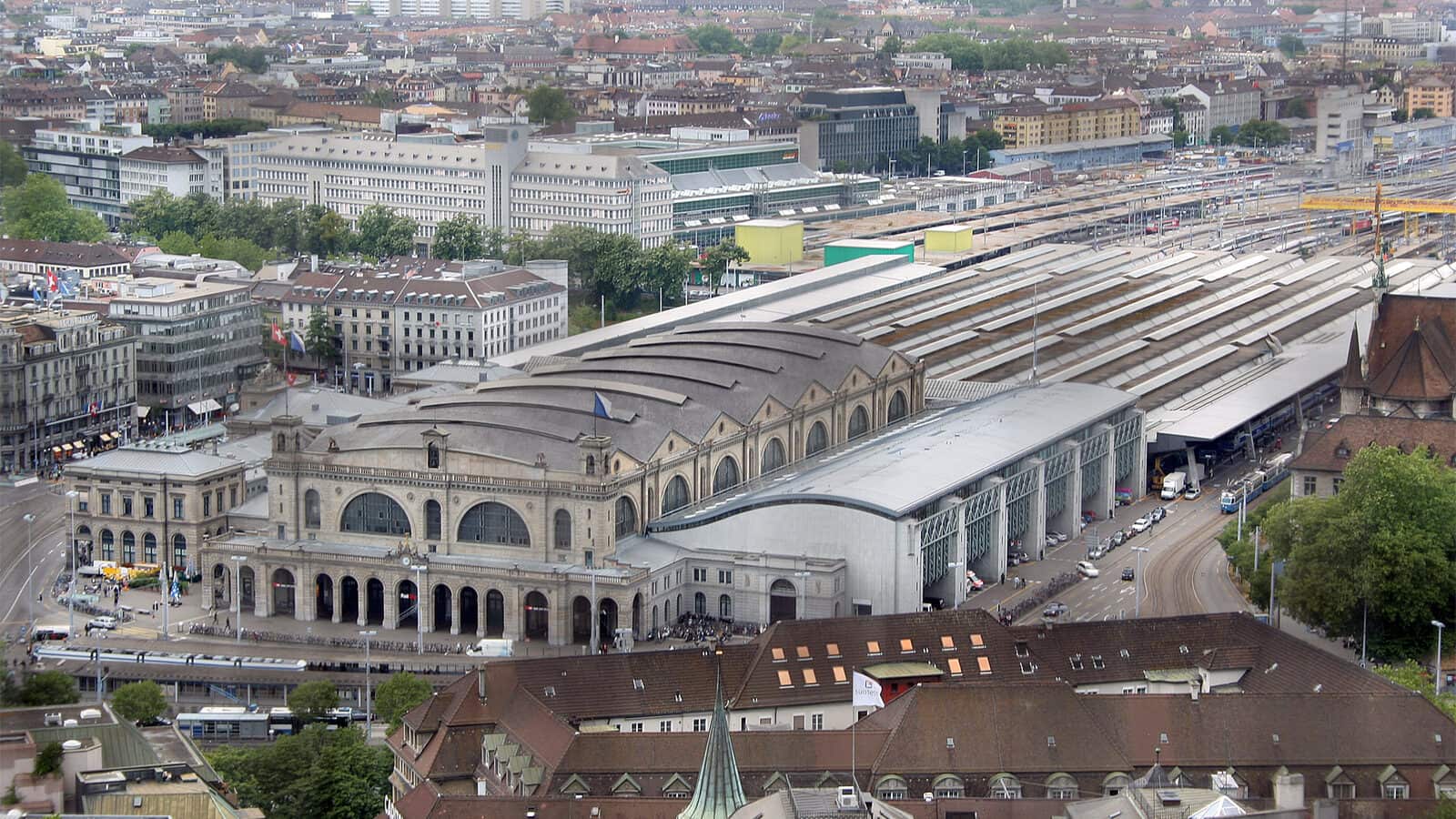
Compare this to big-city postcodes. 8001 Zurich has 18,253 residents and 10.1%, but you shouldn't assume "Zurich equals 8001". It is just one piece of Zurich. Geneva makes this even clearer: 1201 Geneve shows 22,401 residents and 7.0%, but that represents a single urban district, not the entire city's demographic profile.
The problem with big-city postcodes
Big-city postcodes separate neighbourhoods, land use, and daily routines. One Zurich postcode might be a busy mixed-use hub, while the adjacent one is strictly residential. Several Geneva postcodes can share similar tax values while describing totally different living environments. The data isn't wrong for either city, but the geographic unit is narrower.
That's why you should compare within categories first. Compare Fribourg with Olten or Nyon before comparing Fribourg to inner Zurich. Compare Zurich postcodes to other Zurich or Geneva postcodes before treating them as representative of the whole city.

Swiss_mailbox_die_Post.jpg.Comparing across categories
Comparing across categories works when you ask a narrow question. If you need a central postcode with a specific tax level or commute access, you can compare a medium-sized centre with a big-city district. But asking "which is better, a medium-sized centre or a big city?" is too broad. "Which central postcode offers lower taxes while maintaining a manageable footprint?" is a question you can answer.
Beyond the postcode
PLZHub shows which postcode category compares more cleanly. But it can't erase the structural differences between a regional centre and a divided metropolis. Once you have a serious shortlist, you need to look at the specific municipality, district, and public transport connections rather than relying on the category label alone.