The current ranking
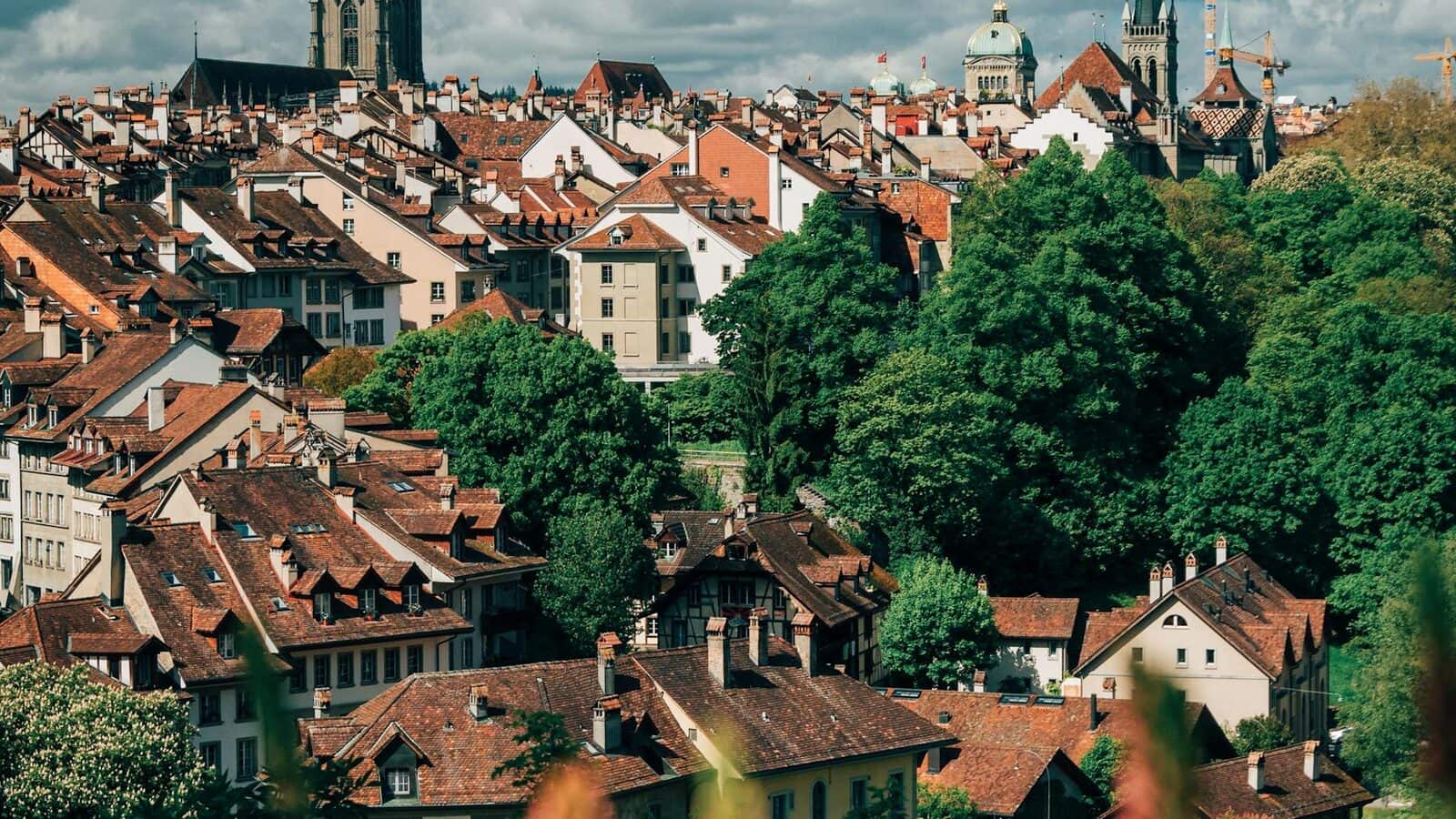
Bern holds the top spot for the most postcodes in Switzerland in the current PLZHub data, with a staggering 459. Vaud follows with 327, and Graubünden takes third with 269. The rest of the upper tier—Zurich (249), Ticino (241), and Aargau (240)—shows us right away that postcode density is about settlement structure, not just how much land a canton covers.

These counts aren't a prestige label. They measure how many postal zones the delivery network had to draw up to cover a canton. That means the ranking mostly reflects how fragmented the settlements are, how many valleys interrupt the roads, and how commuter belts have grown around cities.
Why the leaders lead
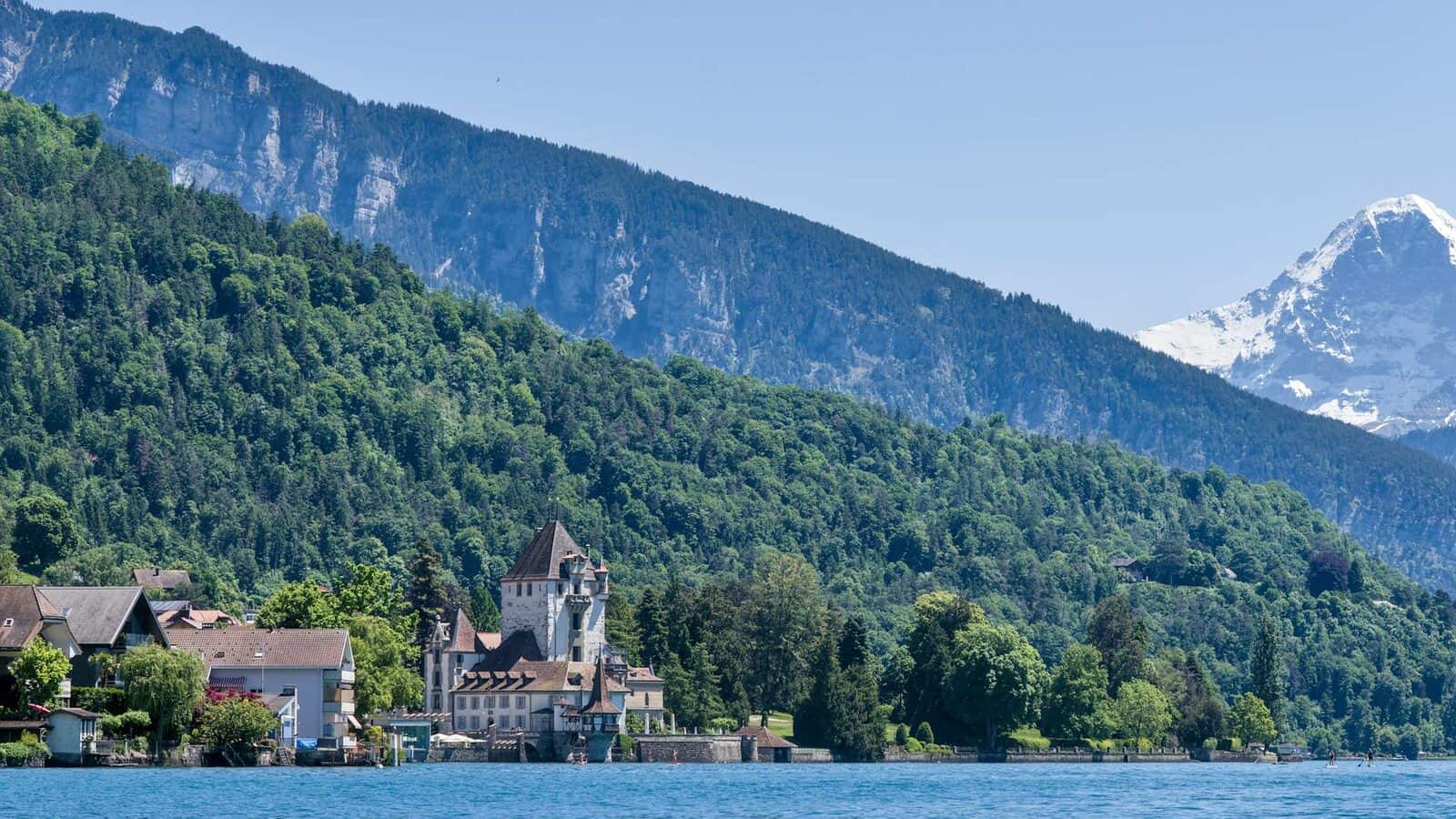
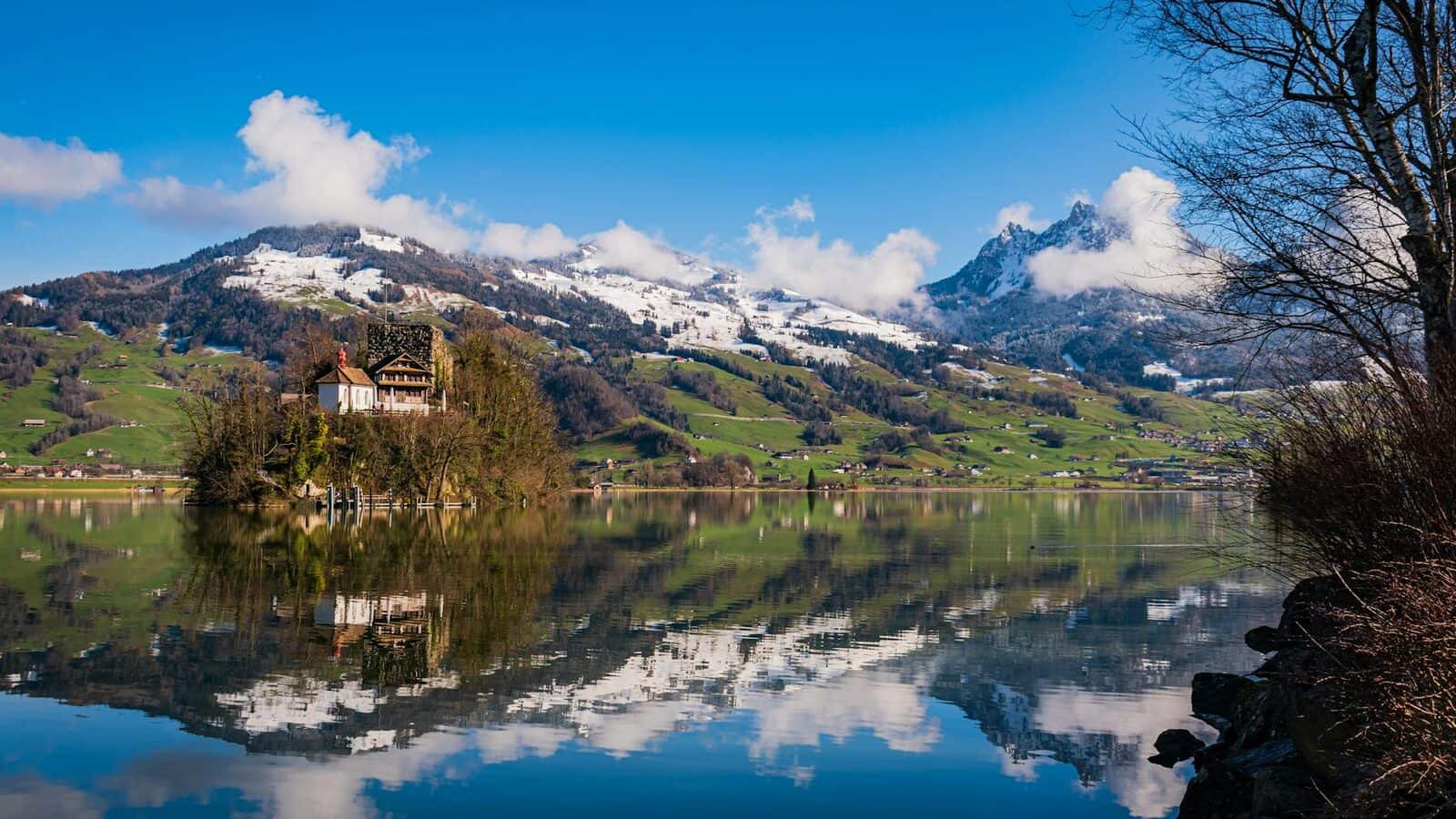
Bern stands out because it forces so many different settlement types into one canton: you have the dense capital region, dozens of smaller towns, wide agricultural plains, and remote Alpine edges. Vaud and Graubünden have a similar regional variety that keeps their postcode counts high.
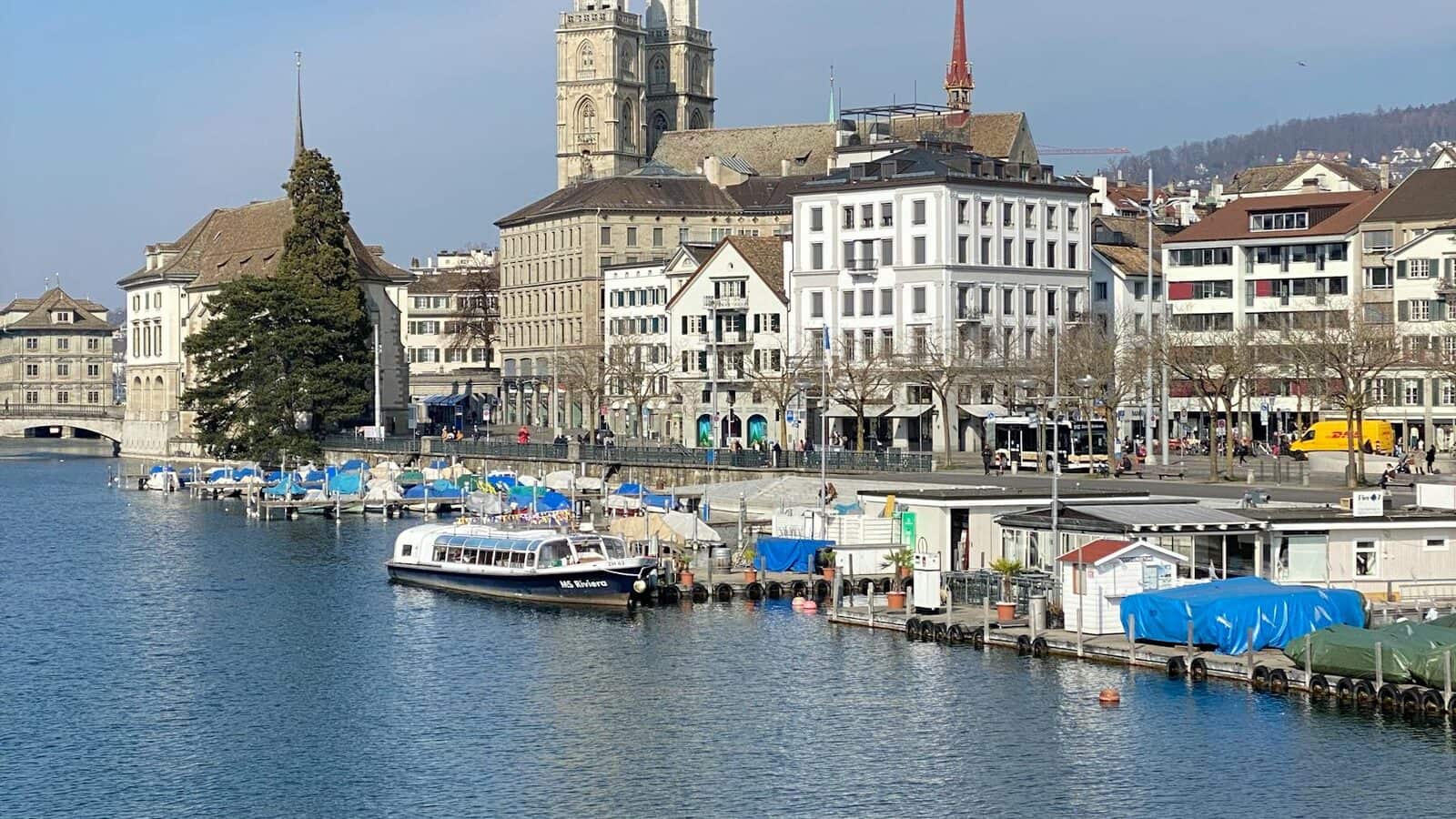
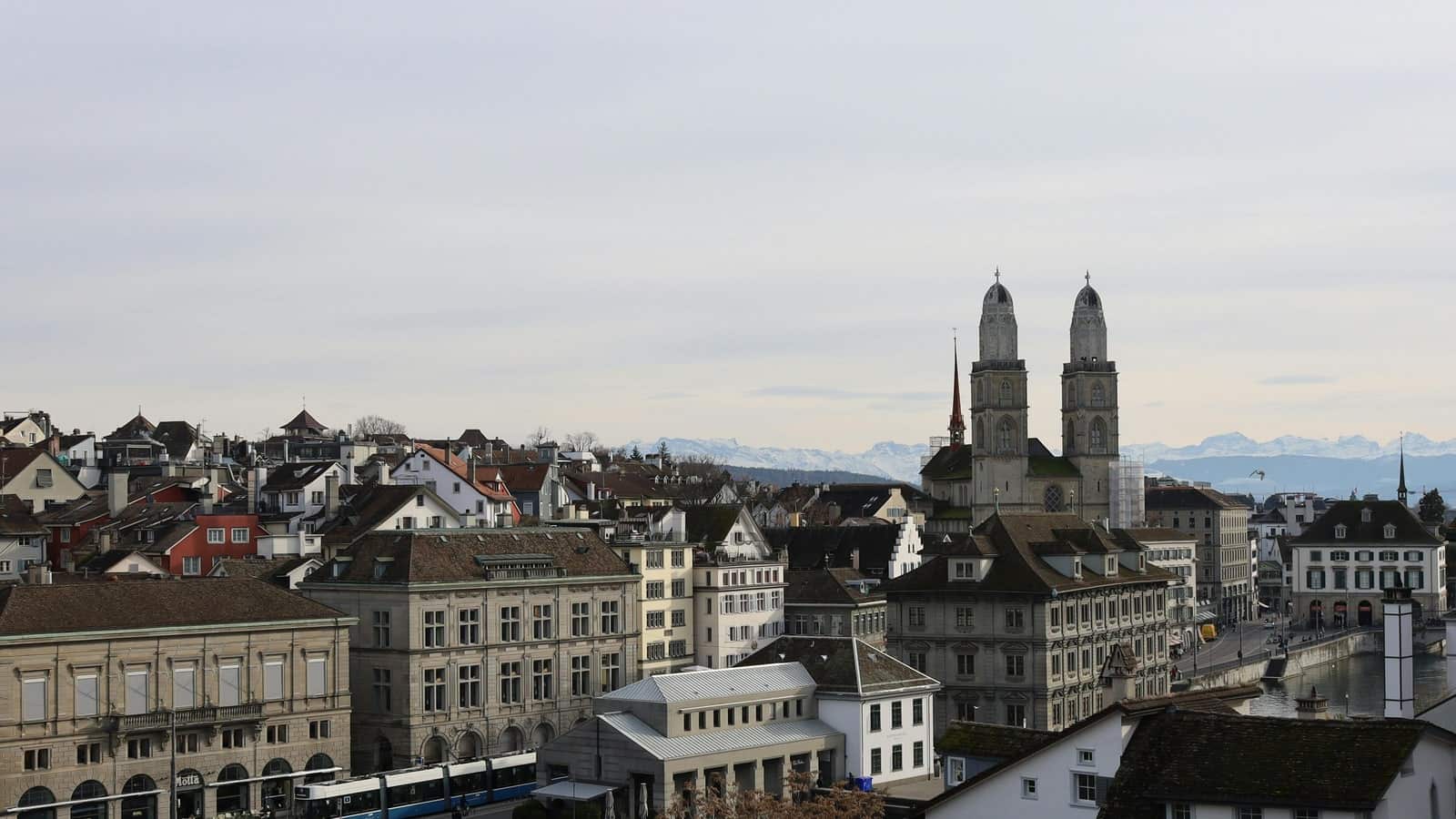
But look at Zurich, Ticino, and Aargau. They prove that land area isn't the deciding factor. The tightest comparison here is Ticino versus Aargau: 241 postcodes against 240. That near tie is a perfect reminder that a physically compact canton (like Aargau) can still be heavily fragmented into many localities and postal units.

Why size alone is not enough
A massive canton can actually have a moderate postcode count if people mostly live in a few concentrated areas. Conversely, a smaller canton will shoot up the ranks if it is broken into many small valleys, sprawling commuter edges, or distinct urban pockets. The huge gap between Bern and Zurich—459 versus 249—shows that population size alone doesn't dictate the postal map either.
How to use this number
Use this count to get a feel for a canton's layout. It tells you where the postal map is complex and heavily layered, and where it is relatively simple. It doesn't tell you whether a place is better to live in or more economically powerful. For those answers, you need to move past the ranking and dig into the canton and postcode pages. The count is strongest when it helps you visualize the shape of the country's settlements.