What the number really says
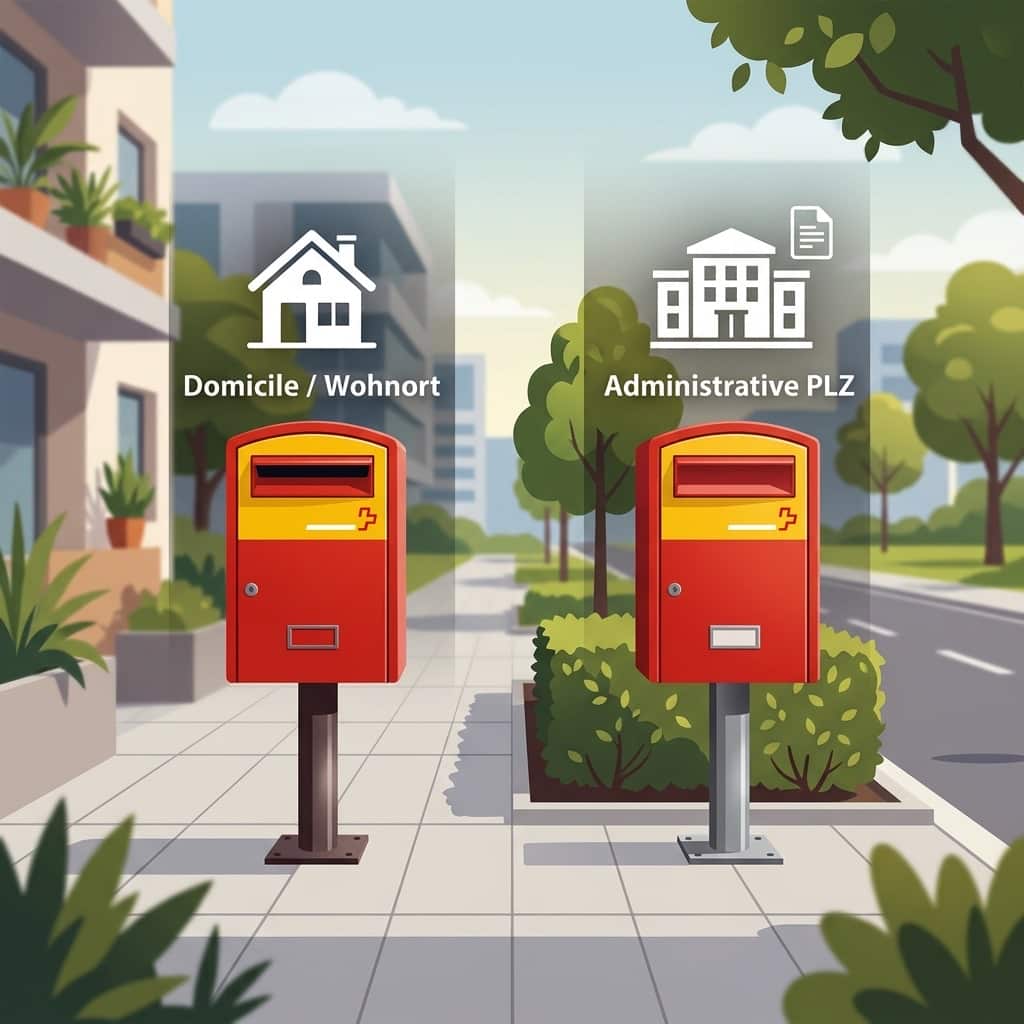
If you see a city with dozens of postcodes, it doesn't mean it's more important or prestigious than a city with just three. More postcodes in one city usually point to dense development, old district boundaries, and a postal system that has had to constantly adapt to keep up with growth.
On the current PLZHub view, Zurich leads with 24 postcode entries in the main-locality count. Bern has 15, Lausanne and Basel have 11 each, Geneva has 10, and St. Gallen has 8. Luzern and Winterthur sit at 6. That top tier alone proves that the pattern we are seeing is urban layering, not a beauty contest.

Why the count rises
A city's postal map is essentially an archeological record of how it grew. Historic cores, old railway corridors, vast industrial zones, and villages that were merged into the city decades ago all leave their traces.
Zurich, Basel, Bern, Geneva, and Lausanne each show that pattern in their own unique way. 8001 Zurich is the classic clean city core example. Meanwhile, 1000 Lausanne 25 shows how one postcode can carry multiple locality labels without actually changing the municipality underneath. The postal network wraps itself around the city; the city doesn't wrap itself around the postal network.

How to read PLZHub
When you are comparing cities, looking at localities and postcode counts per municipality is enough for a first pass. If a count looks unusually high, compare the city page with the municipality layer and the method notes. That is usually the fastest way to see whether the high number comes from the city's complex layout or from an administrative special case.
For a quick cross-check on how these units overlap, read Swiss postcodes vs municipalities.
But remember: PLZHub helps you orient yourself. When your question becomes practical—like updating your legal address or filing taxes—the official source still has the last word.