The decision behind the comparison
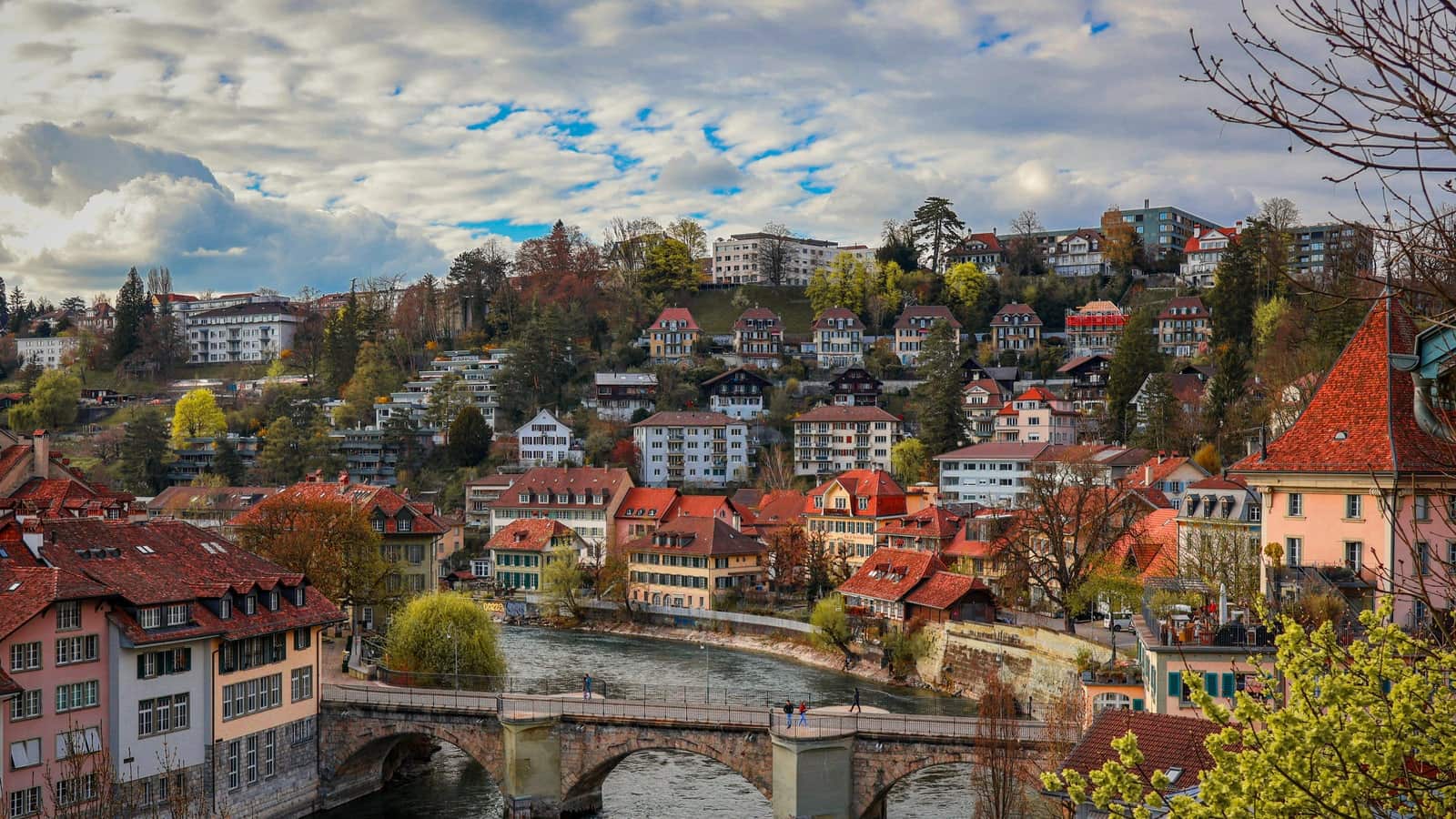
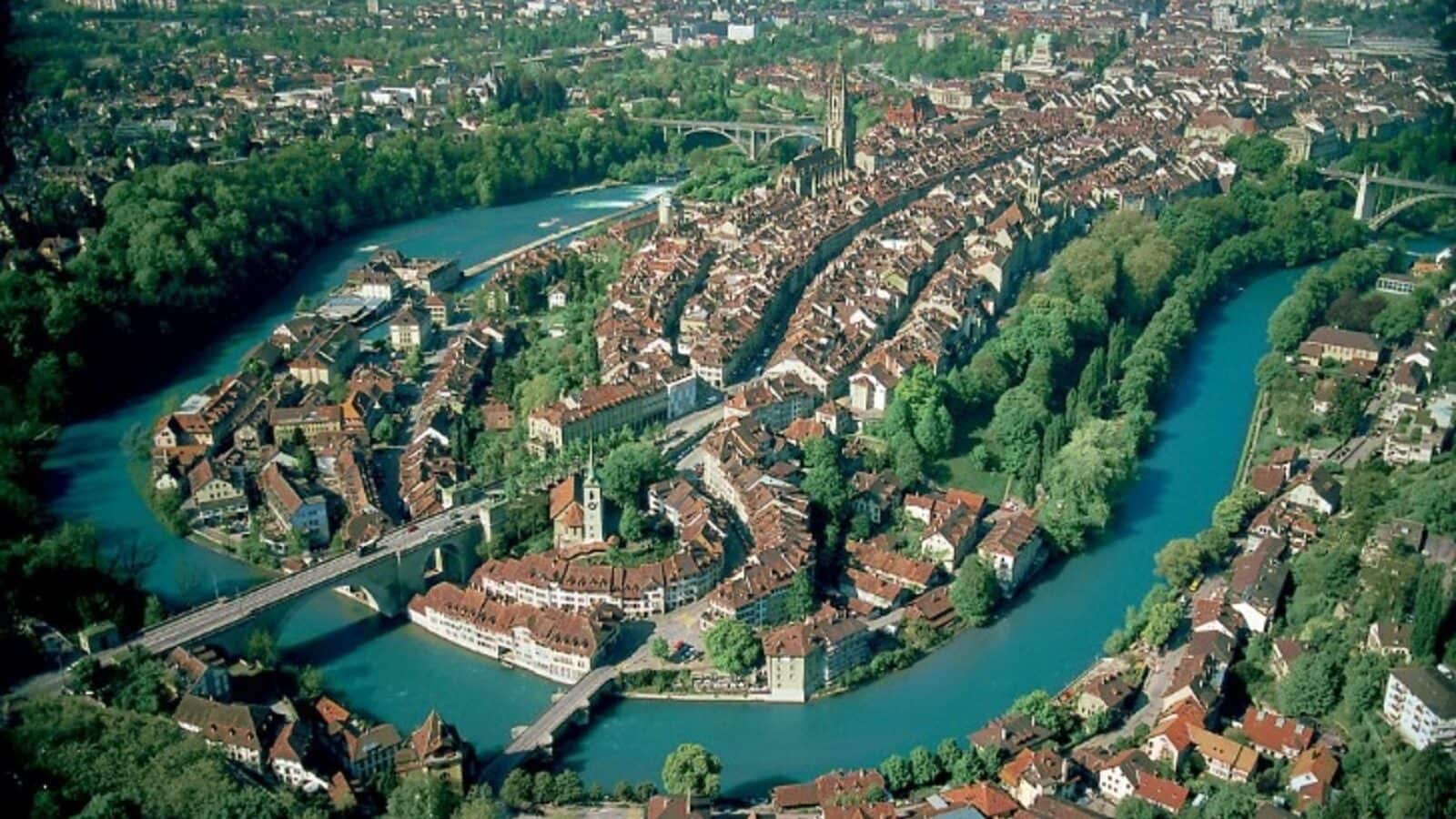
The cleanest examples are 3004 Bern and 3011 Bern. They have different postcodes and sit near different clusters of addresses, but both are 100% part of the Bern municipality. You see the exact same thing in 8001 Zurich: the postcode narrows down your urban slice, while your municipality remains simply Zürich. 4001 Basel works the same way. The postcode acts as a delivery grid and a neighbourhood anchor, not a separate administrative border.
That is the entire point. A single municipality regularly contains multiple postcodes without changing anything about the paperwork when you move. The postcode helps the mail carrier find you and helps you figure out the neighborhood vibe. The municipality decides your tax authority, your school district, and your official forms.

If you are comparing apartment listings, scouting moving locations, or checking tax values, start with one simple question: am I comparing the postcode area, the neighborhood, or the actual municipality? Figuring that out first makes all the other data suddenly readable.
Which signals help
Your first signal is municipal weight. If a postcode is 100% Bern - like 3004 Bern - you are dealing with one administrative unit, even if the postal numbers change across town. The second signal comes from the nearby postcode cluster. This tells you if you are comparing two distinct neighborhoods inside one single municipality, or if you are crossing over into an entirely different municipal logic.
1008 Prilly makes a great contrast case. There, a single postcode spreads across two distinct municipalities. In that scenario, the postcode boundary itself becomes part of the problem.
This is exactly why mixing levels usually leads to bad comparisons. Comparing 3004 Bern to 3011 Bern means you are comparing two neighborhoods inside a single city. Comparing Bern to 1008 Prilly asks an entirely different question, because the underlying municipal structure shifts too.

The four-digit number alone won't tell you if a place is better or worse for your move. To know that, you still have to drill down to the exact street address and look at the local context.
When the official source takes over
Once your search gets serious, the postcode stops being enough. You need the official street address, the confirmed municipality, and the tax calculator or local register connected to that specific municipality. Use PLZHub to figure out which level you are comparing before you commit to that final step.