The short answer
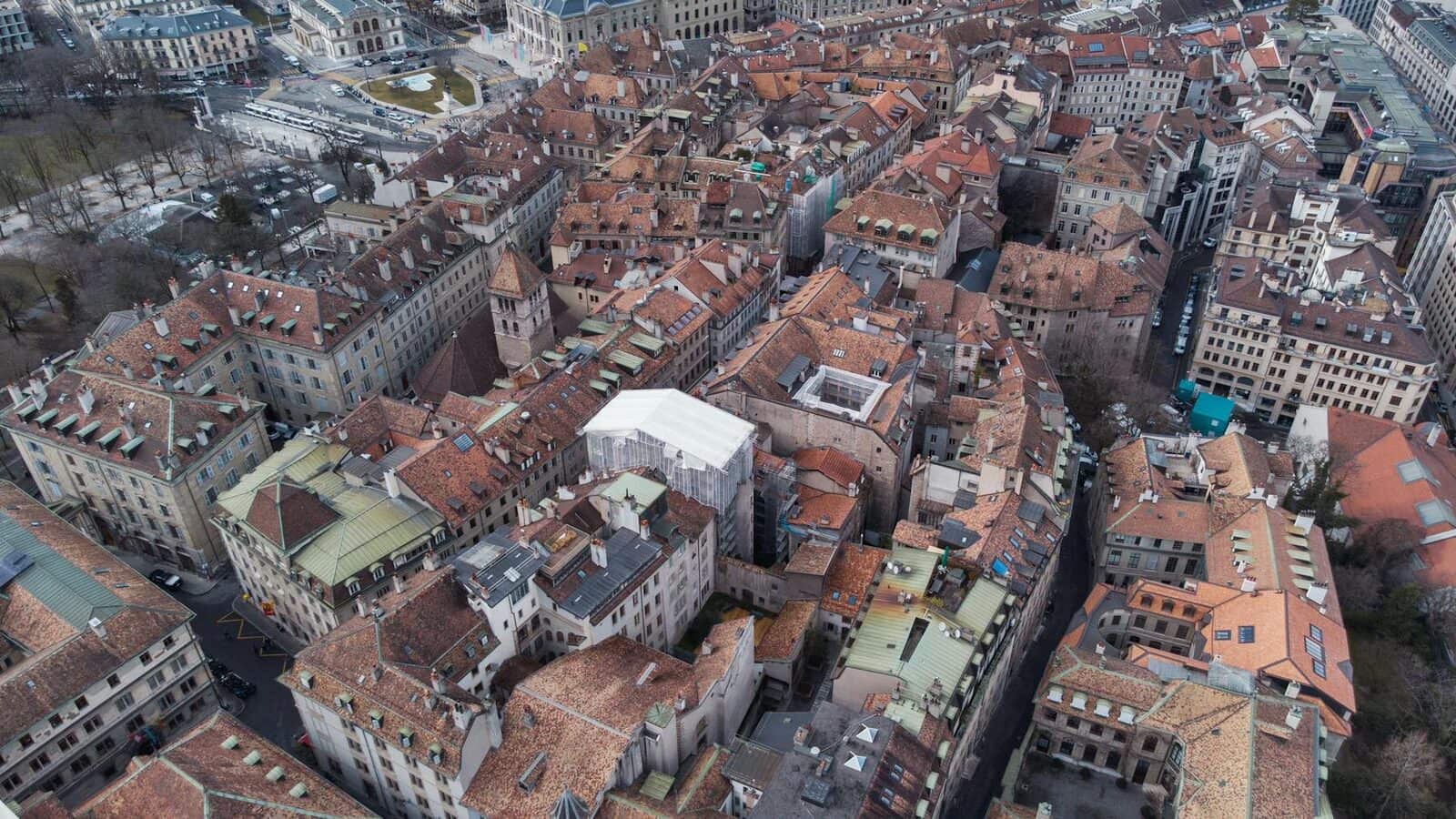
The most populated Swiss postcode is 1212 Grand-Lancy with 34,589 residents. 1227 Carouge GE is a close second. Look at the first ten entries, and you can already see how the national ranking is heavily skewed by Geneva, Zurich, and a handful of other dense urban nodes.

That is the most useful way to read this list: it shows you exactly where the population concentrates. It does not tell you if a place is better, cheaper, or more enjoyable to live in.
What the top of the list looks like
The leading postcodes are a predictable mix: urban Geneva, the Zurich commuter belt, and a few major regional centers. The top ten alone demonstrate just how tightly packed the Swiss population is into specific postal areas.
The Geneva block is particularly interesting. Several consecutive Geneva postcodes hover around the exact same population level. This means you are looking at a continuous city-cluster story, rather than ten entirely separate towns.

What a large PLZ does and does not imply
A massive postcode usually means you are looking at a dense city core, a heavy transport corridor, or a sprawling mixed-use area. Population is just a concentration signal. It is not a verdict on the place itself.
That is why checking the individual postcode page still matters. It quickly tells you whether you are dealing with a bustling city center, a quiet suburban edge, or a broader mixed zone.
How to read the ranking
Use this list as a quick national overview and a jumping-off point. The numbers are incredibly useful when you want to understand scale. They become useless the moment you try to interpret them as a quality score.
Read that way, the ranking does its job perfectly: it shows you where people actually cluster in Switzerland, and helps you decide which postcode page to open next.