The five-way tie at the top
If you run the numbers for Canton Vaud, the shortlist starts with a crowded podium. Bercher, Borex, Bursins, Champagne, and Champtauroz all share a municipal tax multiplier of 153.
For a single person earning CHF 80,000, that translates to a 10.9% tax burden. A double-income couple earning CHF 120,000 sits at 16.6%, and a family of four earning CHF 150,000 pays 15.1%.

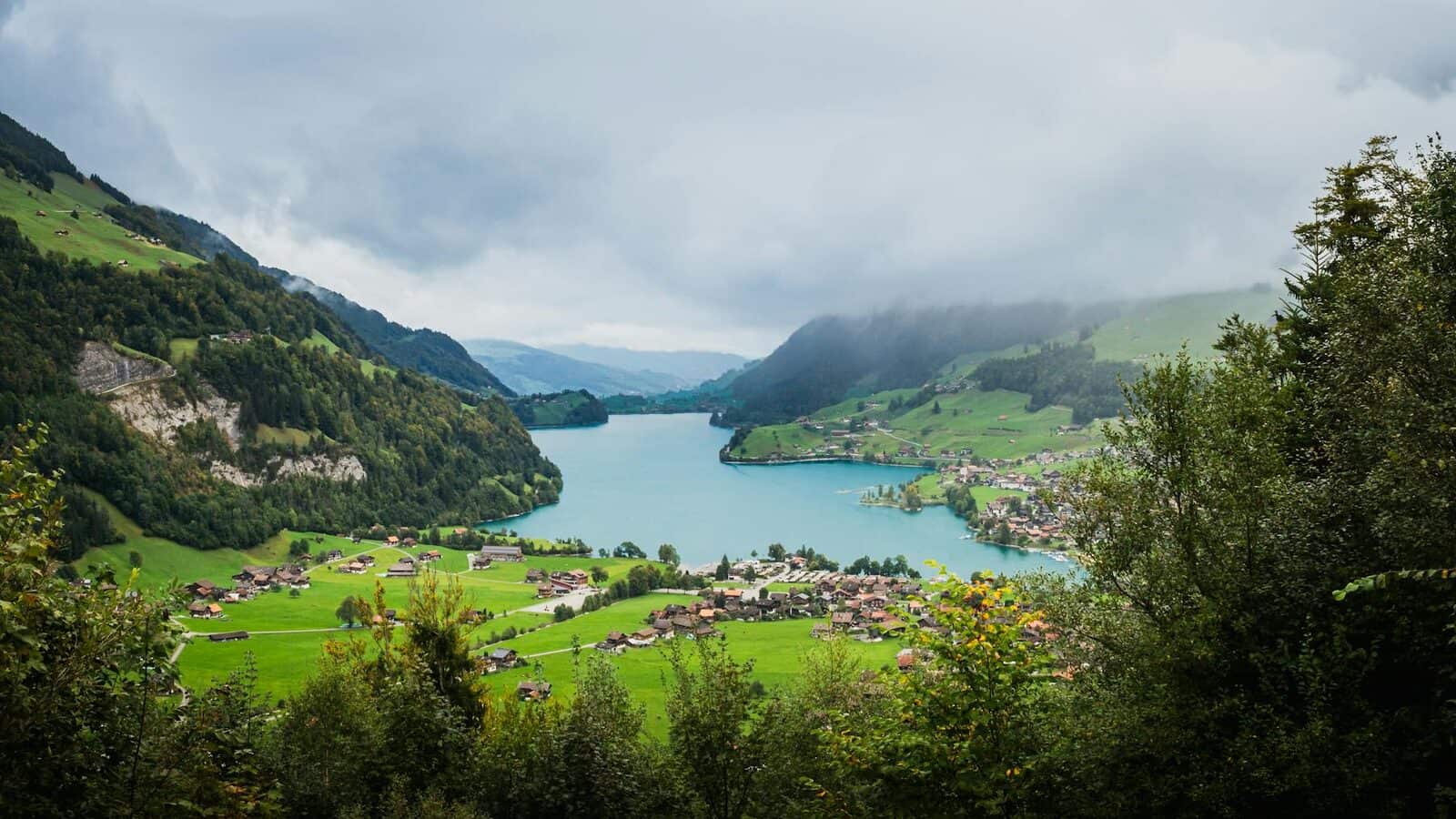
Source and image credit: Wikimedia Commons, File:Switzerland Locator Map VD.svg, by Poulpy.
This isn't a fluke. The top of the list is actually much larger than just these five—several other municipalities sit just a fraction of a percentage point behind them.
Vaud's tax landscape is flat
The most important takeaway isn't who won—it's how little the ranking actually matters.
Unlike cantons with massive tax disparities, Vaud is remarkably flat. If you compare the absolute cheapest municipality to the absolute most expensive one, the difference is negligible for average earners. The spread is just 0.9% for our single scenario, 1.4% for couples, and 1.2% for families.

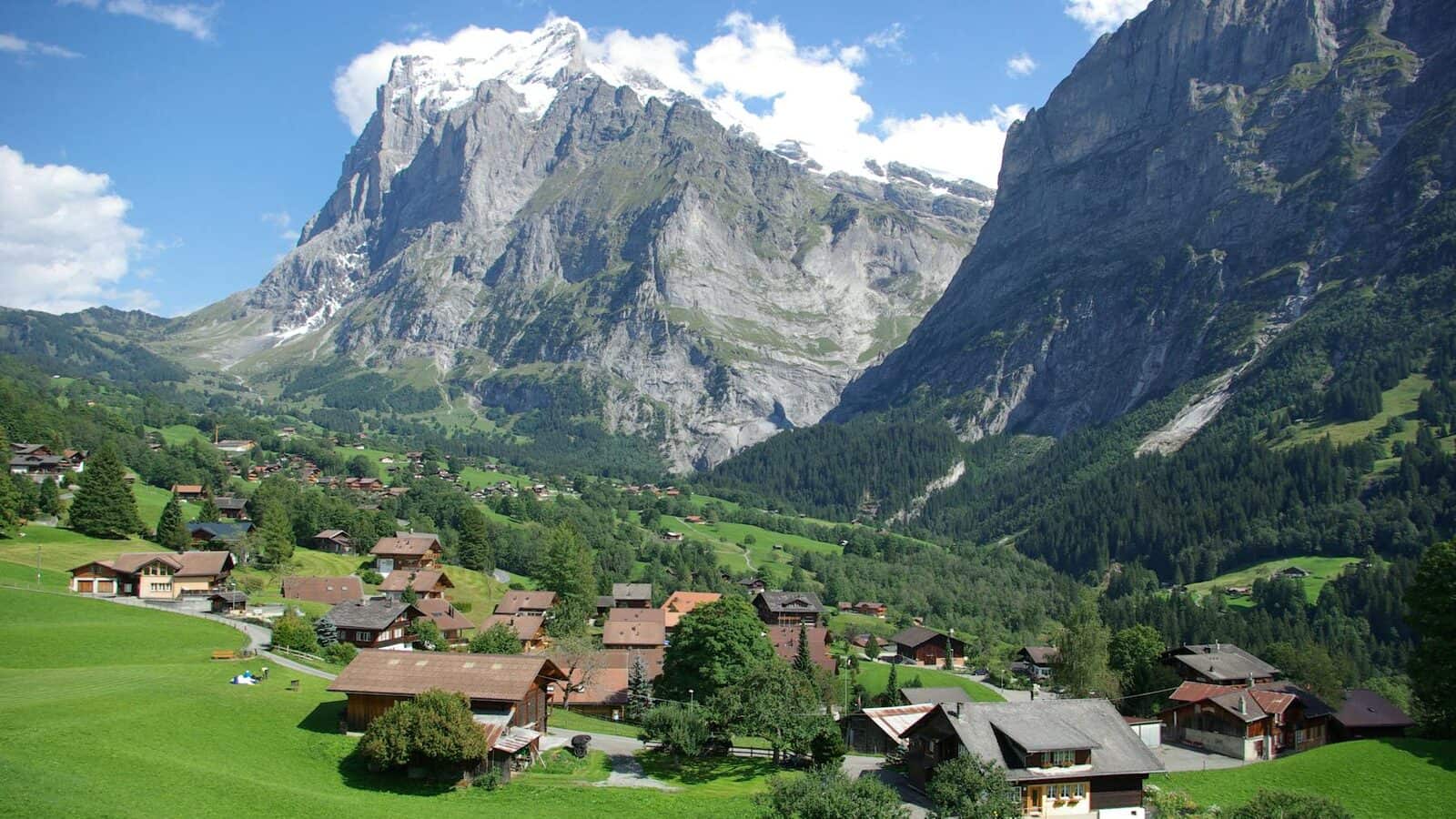
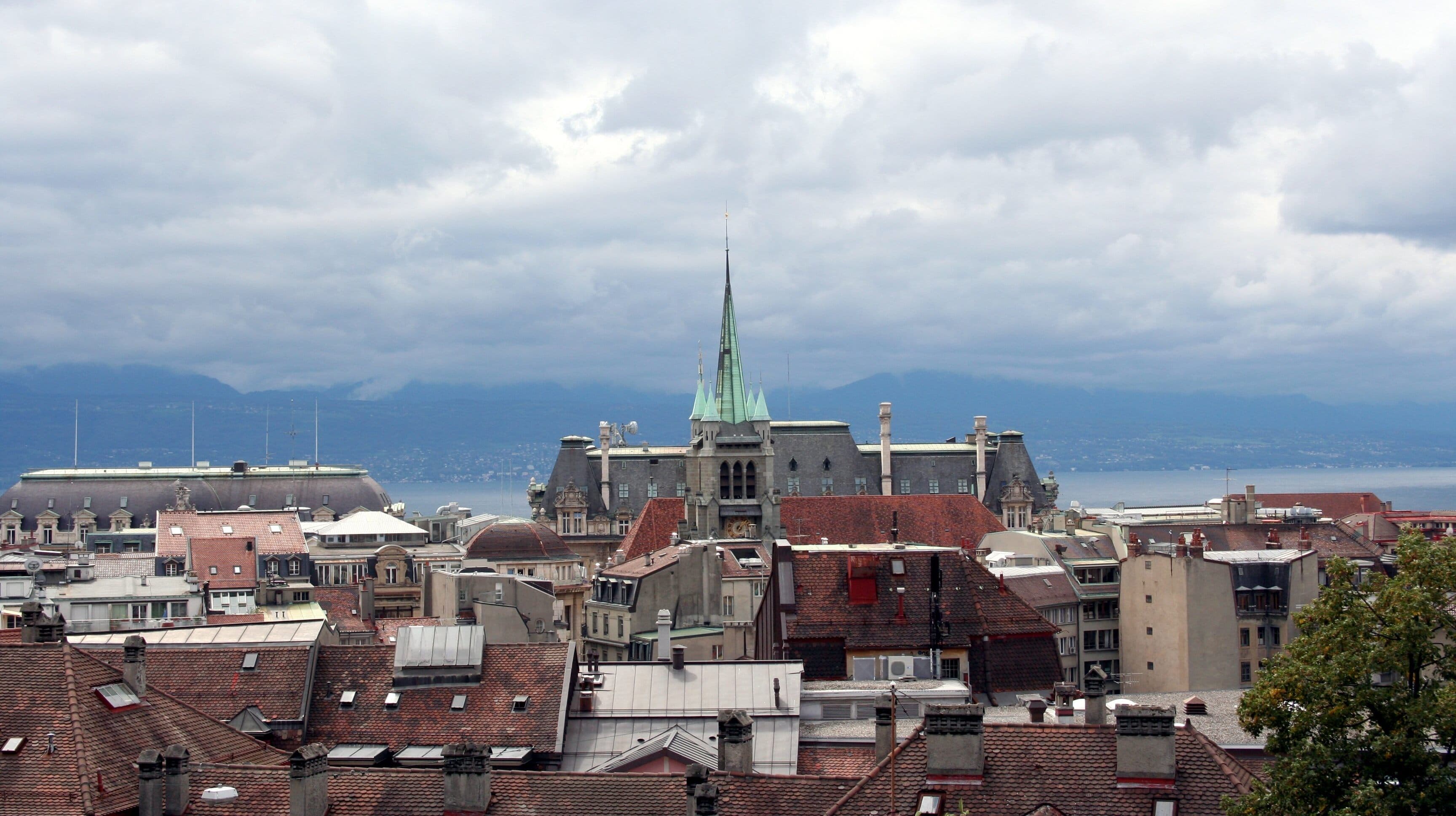
Source and image credit: Wikimedia Commons, File:Montreux (VD).jpg, by Jérémy Toma.
That means you shouldn't let a marginal tax difference dictate where you live. A slightly cheaper rent or a shorter commute will likely save you more money than moving to the "cheapest" tax municipality.
How to use this data
Treat this ranking as a starting point. Use it to build a shortlist of places you actually want to live, then compare the things that will impact your daily life: housing costs, school districts, and transit connections.
Once you have a concrete address in mind, run your exact numbers through the official cantonal tax calculator before signing a lease.